

No products in the cart.

Training Session Space XY Game Skill Enhancement in UK

I’ve played and analyzed Space XY Game for years, and I can share with you what separates good players from great ones. It’s not just raw talent or endless grinding. The real secret is strategic rest. In the UK’s competitive gaming scene, where everyone is consumed with building skill, the idea of “Training Session Rest” gets neglected. This isn’t about slacking off. It’s an active, deliberate part of getting better. My own game improved dramatically when I stopped playing for hours on end and began integrating purposeful breaks. This article explains how intentional downtime fuels your brain, cements muscle memory, and develops the resilience you need to win. We’ll assemble a full framework, from the science to a weekly schedule, tailored for the rhythm of a UK player.
Developing a Maintainable Weekly Training Schedule
Let’s bring all these ideas into a realistic weekly schedule for a dedicated Space XY Game player. This template balances focused effort, active rest, and full recovery. It assists you avoid the common trap of chronic fatigue while getting the most from your skill development. Keep in mind, consistency over weeks beats heroic, unsustainable bursts every single time. Adjust this framework to your own life, but preserve the core idea: rest is scheduled, not an afterthought.
- Monday/Wednesday/Friday (Primary Training Days): 60-90 minutes of hyper-focused, goal-oriented practice using the Pomodoro method. Accompany it with a 10-minute replay review. Your evening should incorporate active rest and a strict sleep routine.
- Tuesday/Thursday (Active Recovery & Theory): No intensive gameplay. Allocate 30-45 minutes for “theory-crafting”: watching pro player VODs, analyzing meta reports, planning strategies, or discussing tactics with your alliance. Combine this with longer physical activity like a gym visit or a run.
- Saturday (Competition/Integration Day): Apply your practiced skills live. Participate in ranked matches or join alliance events. Concentrate on executing under pressure, not learning new mechanics. Keep sessions to 2-3 hours tops.
- Sunday (Full Rest & Detachment): A complete day off from Space XY Game and, ideally, from most screens. Plunge into other hobbies, visit friends or family, get outside. This full-system reset readies you mentally for the week coming up.
This schedule creates a strong rhythm. Focused days build specific skills, theory days expand understanding without mechanical strain, competition day pulls it all together, and the full rest day prevents fatigue from piling up. Move the days around to fit your life, but protect the principles: focused effort must be complemented by deliberate rest, and full detachment is a scheduled necessity, not a random accident. Track your mood and performance on this schedule for two weeks. You’ll see a real difference in how consistent you are and how quickly you learn.
Detecting and Countering Mental Fatigue and Burnout
Mental fatigue silently kills progress. It shows up as more than just feeling tired. You grow short-tempered, Easily Make Your Deposits Game Space Xy, your concentration wanes, you sacrifice the drive to train, and your skill level stagnates or even drops. In the high-pressure UK competitive environment, some wear “pushing through” as a badge of honor. But it’s a straight road to burnout, a state of chronic exhaustion that can take months to rebound from. Learning to spot the early warnings is a meta-skill every player needs to develop. It’s your internal dashboard flashing check engine lights.
My personal red flags are easy to spot: getting angry at alliance mates over small errors, repeating the same strategic mistake repeatedly even though I understand better, and sensing a sense of dread at the thought of opening the game. When these pop up, it’s not a signal to push more. It’s a obvious sign my training-to-rest balance is off. The fix is never more game time. It usually means a full 24 to 48 hours completely away from Space XY Game, filled with physical activity, time outside, or other hobbies. Coming back after that kind of reset, my perspective is sharper, my patience returns, and I’m ready to learn again. Avoiding burnout isn’t about being weak. It’s about controlling your most important piece of hardware, your mind, for long-term performance.
The Study of Skill Consolidation In Downtime
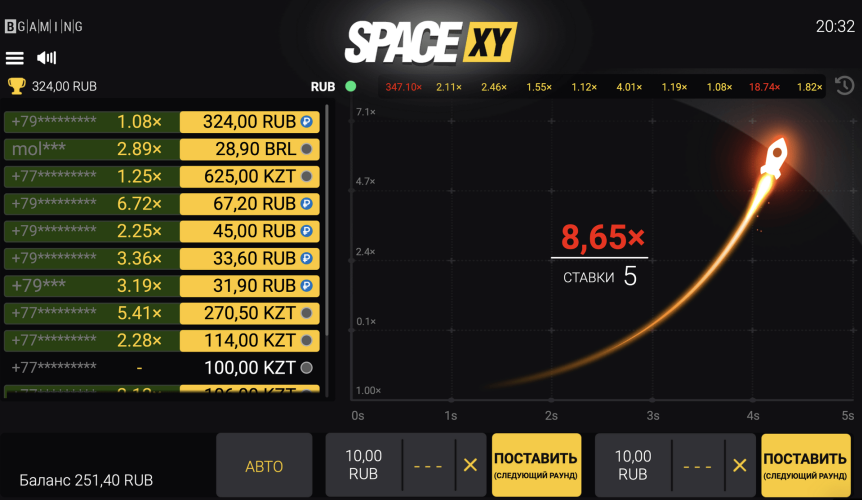
Working on a intricate skill in Space XY Game—like mastering asteroid mining runs or managing a rapid fleet engagement—puts your brain through its paces. Every iteration builds new neural pathways. But the real construction work, the procedure that makes a skill automatic when the pressure is on, takes place when you stop. Scientists call this consolidation. It’s your brain’s way of structuring, solidifying, and combining what you just learned. Neglect the rest between hard training sessions, and this process stays incomplete. You’re left with uneven, shallow learning that falls apart in a real match. It’s like endeavoring to build a skyscraper without letting the concrete set.
That’s why packing a five-hour session before a tournament usually backfires. Your working memory gets swamped, your reactions slow, and mistakes you wouldn’t normally make start sneaking in. Now, imagine a different approach: shorter, targeted sessions broken up by proper rest. During those quiet periods, your brain replays and strengthens the sequences you drilled, shifting them from the effortful prefrontal cortex to the automatic basal ganglia. This is where real “game sense” and instinct come from. It’s not born from non-stop play, but from the smart back-and-forth between focused effort and deliberate disengagement. For any Space XY Game player in the UK scene, getting this cycle right is a critical edge. It turns practice from just putting in time into a process of biological optimization.
The Critical Role of Sleep in Skill Building
If workout rest is the daily mortar, sleep is the overnight curing process for the entire structure. Missing sleep to practice more is likely the worst practice a dedicated Space XY Game player can pick up. During slow-wave sleep, your brain replays the day’s lessons at high speed, moving memories from the brain region to the brain cortex for lasting retention. During REM sleep, it creates abstract associations and sparks creative problem-solving. This is essential for cooking up new strategies or responding to meta evolutions. Your brain is performing simulations and solving problems you wrestled with earlier.
- Target 7-9 Hours: This is not a luxury. It’s a direct contribution into your gaming reflexes, decision accuracy, and emotional control.
- Establish a Pre-Sleep Ritual: Around an hour before bedtime, lower the lights, limit screen time (their digital light messes with melatonin), and perhaps do some gentle reading or meditation. This alerts your body it’s time to unwind and prepare for consolidation.
- Regularity Matters: Heading to sleep and getting up at approximately the same time, even on weekends, stabilizes your internal clock. This renders your sleep more productive and rejuvenating.
I track my sleep along with my workout hours. The link is clear. After a poor night’s rest, my APM might be acceptable, but my tactical foresight and adaptability feel dull. After a solid, quality sleep following a focused training day, I often log in to notice a technique that felt awkward yesterday now feels smooth. My brain actually improved while I was away. Thinking of sleep as a essential training session is the attitude change that differentiates the serious player from the foolish one.
Active versus Passive Rest: The Right Approach
Rest isn’t just rest. Sedentary rest, like mindlessly scrolling through videos, may actually deplete you rather than rejuvenating you. Dynamic rest means doing things that help you recover without straining the same neural circuits you use for Space XY Game. The objective is to boost blood flow, reduce stress hormones, and let your brain change context, which oddly helps it consolidate your gaming skills more deeply. Knowing the difference is key to creating a rest routine that genuinely enhances your performance. It’s like choosing the right repair tools, not just parking your car.
I select active rest activities that are a physical and mental contrast to gaming. A brisk walk, some light stretching, or a quick exercise session boosts oxygen delivery to the brain, which assists in fixing and restructuring neural pathways. Starting a new hobby, for instance, playing an instrument or reading fiction, lets the strategic parts of my brain relax while other areas get a workout. Even spending time with friends who do not game provides a beneficial mental reset. The trick is to be intentional. You are on a recovery assignment. Avoid activities that maintain a competitive or screen-oriented mindset, because they block the mental detachment you need for the best consolidation. Here is a straightforward comparison I use:
- Excellent Active Rest: Walking, cycling, making food, practicing an instrument, casual sketching, hearing music or a podcast (away from a screen).
- Ineffective Passive “Rest”: Scrolling social media, observing non-related gaming streams, arguing on forums, playing another high-speed video game.
- Surprisingly Effective Combination: Mild stretching while enjoying an audiobook or tranquil music. It blends bodily restoration with mental escape.
Important Tools and Environment for Optimal Rest
Your actual space and the tools you use can turn your rest significantly better or much worse. Since Space XY Game requires so much mentally, your surroundings should enable you disengage easily. This is hardly about having a fancy setup. It’s about building clear lines that signal your brain when it’s time to deliver and when it’s time to recover. A cluttered, always-on environment lets training stress seep into your rest periods, which undermines consolidation. Let’s refine your setup for both focus and recovery.
First, try to keep your gaming space just for intense play. If that’s not feasible, use symbolic cues. I have a specific desk lamp I only activate during training blocks. When it’s off, my brain recognizes it’s not in “game mode.” Second, use technology smartly. Set app blockers to stop mindless scrolling after a session. I use a plain paper notebook for my post-session review instead of another app. It creates a physical break from screens. For sleep, look into blackout curtains or a white noise machine if you live in a noisy UK city. Make your environment function with your rhythm.
- Digital Hygiene: Plan “Do Not Disturb” modes on your devices during rest blocks. Use a separate browser profile for leisure so you avoid game-related bookmarks.
- Physical Separation: If you can, take your active rest breaks in a different room. A change of scenery is a potent cue for a mental shift.
- Comfort & Recovery: Spend in a good chair for training, but also have a comfortable spot elsewhere for reading or relaxing. Keep water and healthy snacks nearby to prevent energy crashes that disrupt your rest plans.
Planning Your Training Sessions for Maximum Gain
Effective training for Space XY Game shouldn’t be a marathon. Think of it as a series of disciplined sprints, each with a specific target. Step one is to ditch vague plans to “play for a bit.” Assign every session one primary objective. This hyper-focus stops cognitive overload and gives your brain a clear topic to work on during rest. For example, devote 60-90 minutes doing nothing but mastering a specific drone control pattern. Your next session could concentrate entirely on your early-game resource queue. This modular method keeps your progress easy to track and renders your rest time more potent. I plan every session around a single “Skill Spike” goal—one technical aspect I want to make automatic.
The Focused Practice Block
Once your session kicks off, apply a method like the Pomodoro Technique. Operate in intense, undisturbed bursts of 25-30 minutes. Then schedule a mandatory 5-minute break. Leave your screen during this time—no social media, just get up, move around, or look at the wall. After three or four of these cycles, take a longer break of 20-30 minutes. Those short breaks allow your brain start its consolidation work, locking in the micro-skills you just drilled. This approach combats the diminishing returns that plague long, unfocused play. It preserves your learning curve steep and your mind sharp. I employ a physical kitchen timer to enforce this rule. It stops me from trying to “finish one more fight” when I’m already tired.
Post-Session Review Ritual
Right after your main training block, before you step away, do a 10-minute review. Load your match replay, skim through the key moments related to your session’s goal, and create a mental note of one thing you did well and one thing to work on. This act of self-analysis bookends your focused effort. It gives your subconscious clear instructions for what to process during the longer rest period coming up. It turns a passive stop into an active launchpad for offline learning. I often state my findings out loud; it forms a stronger memory anchor. This ritual makes sure your rest has direction and purpose. It’s not just empty time.
FAQ
Aren’t more practice always better for progressing in Space XY Game?
Absolutely not, not past a specific point. The law of diminishing returns kicks in here. After about 60-90 minutes of focused practice, mental fatigue diminishes your learning efficiency. Your brain demands offline time to cement those skills. Two focused sessions with rest between them surpass one marathon session where the later hours are spent cementing mistakes because you’re tired. Quality and structure beat raw volume, every time.
What is the single best active rest activity I can do?
Light to moderate cardio is hard to beat. A 20-minute brisk walk or jog sends blood and oxygen pumping to your brain, lowers stress hormones like cortisol, and offers you a complete change of scene from the sedentary, screen-heavy world of gaming. It’s straightforward, easy to do, and the cognitive benefits carry over directly to clearer decision-making in your next session.
How can I tell the difference between normal tiredness and burnout?
Normal tiredness typically fixes itself with a good night’s sleep or a single day off. Burnout feels different. It’s a chronic exhaustion, paired with cynicism about the game (a persistent “what’s the point?” feeling), and a sense that you’re not getting any better, a feeling that lingers for weeks. If the idea of playing consistently feels draining instead of fun, that’s a major burnout warning. It signals you need a longer, planned break.
Is it possible to use rest days to study the game rather than playing?
Certainly, and you definitely should. This is your “active rest” or “theory day.” Studying tutorial videos, examining your replays, or going through strategy guides stimulates your strategic brain without burdening your mechanical execution. It’s a great way to stay learning and stay engaged while providing your hands and reaction-based neural pathways a proper rest. Simply don’t really play.
I have limited time. How do I manage training and rest effectively?
Skill beats quantity every time. Even with 30 minutes, you can perform a hyper-focused session on one micro-skill. Follow it with 5 minutes of reflection, then take a break. The key is in the power of your attention during that short practice and the discipline to stop so assimilation can happen. A quick, planned rest after a mini-session is more valuable than extra playtime when you’re distracted or exhausted.
Does that “rest” concept relate to in-game resources and cooldowns too?
The concept is a direct parallel. In the same way you control your fleet’s cooldowns and resource regeneration for maximum effectiveness, you need to oversee your own cognitive and physical cooldowns. Attacking when your ships are damaged is a certain loss. Forcing your mind when it’s drained leads to bad choices. Strategic patience, both for your in-game assets and for yourself, is a hallmark of a skilled player.
