

No products in the cart.
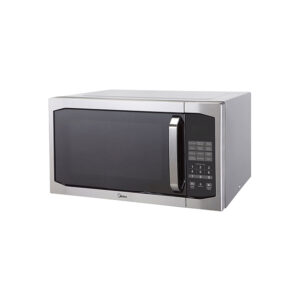
Midea Microwave Ovens
Showing the single result
Showing the single result
Midea Microwave Ovens in Pakistan
Midea microwave ovens bring quick heating, dependable defrosting, and easy day-to-day cooking to Pakistani households and small businesses. Whether you are reheating roti and karahi after office hours, softening butter for baking, or defrosting qeema for dinner, a well-chosen Midea model saves time and energy while fitting the typical 230V/50Hz home setup. On this category page, you can explore the full range by type and by capacity, understand what affects price in Karachi, Lahore, and nationwide, and learn which features matter most for real Pakistani use—without guesswork or technical jargon.
Sadaat Electronics curates popular capacities from compact 20-liter options to roomy 30-liter+ family models, across solo, grill, convection, and inverter technologies. Every section below offers practical guidance—how each type cooks, what capacity suits your kitchen, and how to compare features such as auto cook menus, defrost modes, and child lock. If you prefer in-person help, our team is available by phone or at our Saddar, Karachi store for recommendations, availability, and after-sales support.
Use this page to shortlist the right Midea microwave oven first by Type and then by Capacity. If you already know which you want, jump directly to the size section. Otherwise, start with “Shop by Type” to match your cooking style—basic reheating, browning and grilling, baking with hot air, or smoother power delivery with inverter technology.
Shop by Type
Solo Microwave Ovens
Choose a Midea solo microwave oven if your priority is reliable reheating, quick beverages, and straightforward defrosting. Solo models use microwave energy only—no grilling element and no hot-air convection—so they excel at everyday tasks like warming rice and curry, reheating pizza slices without over-crisping, and preparing instant noodles or beverages. For Pakistani kitchens where leftover management is a daily routine, a solo unit is often the most budget-friendly and space-saving choice, especially for rentals and hostels where counter space and electrical outlets are limited.
In practice, a solo microwave is also the simplest to learn. Most models provide power level controls and a timer, often paired with handy shortcuts such as quick-start +30-second increments. For defrosting mutton, chicken, or fish, you can use either a weight-based or time-based program and then finish with a short rest period to allow even heat distribution. If you rarely grill or bake, the solo category provides the best value per rupee and a low-maintenance interior—ideal for students, couples, or small families focused on reheating and basic prep.
Grill Microwave Ovens
A Midea grill microwave oven adds a heating element that can brown and crisp foods—great for cheese sandwiches, seekh kababs, or finishing a paratha that needs a bit of colour on top. The combination of microwaves for internal heating and a grill element for surface browning gives you more texture control than a solo model. You can reheat leftovers first and then switch to grill to add a lightly crisped finish without drying the food, a helpful trick for pakoras or pizza slices.
For apartment kitchens in Karachi or Lahore where a separate electric grill is impractical, this type provides a versatile middle ground. Keep in mind that grilling trays and racks need safe placement and cleaning after oily items; a quick wipe while the cavity is still slightly warm will make maintenance easier. If you sometimes host guests or enjoy café-style sandwiches at home, grill models are a sensible step up over solo microwaves without the learning curve of full convection baking.
Convection Microwave Ovens
Convection microwaves combine microwaves with a fan-assisted heating system for hot-air baking, making them suitable for cookies, cupcakes, frozen puff pastry, and small pizzas. The convection mode circulates hot air around the food to produce more even browning compared with microwave-only cooking. For families that like occasional baking days or want to roast vegetables for healthier meals, a Midea convection model can reduce the need for a full-size oven, particularly in kitchens where gas ranges dominate and built-in electric ovens are not available.
When shifting to convection, plan for oven-safe cookware and adjust expectations if you are converting recipes from traditional ovens. Preheating improves results; a few minutes of preheat time can mean better rise and browning. Many Pakistani home bakers keep a shortlist of reliable temperatures for local recipes—such as a safe range for butter cookies or a baseline for chicken roast. Convection microwaves handle these tasks well for small to medium batches, offering flexibility for birthdays, teatime snacks, and weekend experiments.
Inverter Microwave Ovens
Inverter microwaves deliver power more smoothly than conventional step-cycling. Instead of rapidly switching between high and low power, inverter control keeps a more consistent energy level, improving evenness for delicate items like custards, baby food, and fish. Defrosting also benefits because the magnetron does not surge and pause in the same way, reducing the risk of partially cooking the edges while the centre remains icy.
If you frequently defrost meats bought in bulk, reheat small portions throughout the day, or cook foods that demand gentle control, a Midea inverter microwave can be worth the upgrade. The experience feels less “spiky” at lower settings, which many users notice when melting chocolate or softening butter without hotspots. For households juggling school lunches, evening dinners, and late-night snacks, inverter technology can make everyday cooking more predictable while keeping energy usage efficient for repeated short tasks.
Shop by Capacity
20-Liter (Compact)
A 20-liter Midea microwave oven suits single users, students, and couples who mostly reheat or cook in small containers. It occupies minimal countertop space and is easy to move when reorganising a tight galley or studio kitchen. If you’re outfitting a hostel room or a very compact apartment in Karachi or Lahore, this size keeps total cost low while handling staples like tea, coffee, instant oatmeal, and small plates of leftovers.
Before you buy, think in terms of the dishes you use most often. Check that your regular dinner plate can rotate freely and that the turntable diameter accommodates your preferred bowls. If you intend to reheat two plates for guests, consider stepping up to 23 litres to avoid crowding. For users planning basic recipes, a 20-liter solo or grill model is typically sufficient; if you plan to bake or roast, look to 23 litres and above for more interior height and better airflow.
23-Liter (Popular Mid-Size)
At 23 litres, you get a practical balance of capacity and footprint for a typical 3–4 person Pakistani household. The extra interior space allows easier placement of larger plates and taller mugs while still fitting comfortably on most apartment countertops. This size is a common sweet spot when you want dependable reheating, better defrost performance, and occasional cooking for small batches without going all the way to 28 litres.
Families who batch-cook daal, pulao, or gravies on weekends will appreciate the room to reheat in wider containers, which helps heat spread more evenly. If you’re deciding between solo and grill at 23 litres, base it on your food habits: choose solo for daily reheating and defrost, grill if you regularly brown sandwiches and kababs, and convection if you want modest baking capacity for cookies or small pizzas. As always, confirm turntable diameter and cavity height on the product page to match your cookware.
28-Liter (Family-Friendly)
The 28-liter class fits larger families and frequent hosts. It makes weeknight life easier when you want to reheat multiple plates, handle larger bowls of biryani, or bake small trays of savouries for guests. If your kitchen routine includes marinating chicken on the weekend and defrosting through the week, the extra space reduces the need to split batches, which can save time and keep textures more consistent.
When comparing 28-liter models, look for practical convenience features rather than chasing maximum numbers. A clear display, intuitive controls, and a reliable defrost program often matter more than a minor wattage difference. If you plan to use convection in this size, remember that preheating and using oven-safe cookware are key to good results. The goal is to match the oven’s interior volume with your typical batch sizes so that air can circulate around the food without crowding.
30-Liter and Above (Entertaining & Baking)
For large families, frequent entertaining, or serious home baking, 30-liter+ models provide the extra height and width needed for bigger cookware and multi-item reheats. This size lets you warm more plates at once and place wider dishes without tilting. If you often host extended family or prepare school lunch boxes the night before, the larger capacity reduces cycles and helps keep meal prep on schedule.
Before purchasing, check basic placement requirements. Leave a few centimetres of ventilation space at the sides and back, and ensure the door swings freely when the unit sits near a corner or refrigerator. If you plan convection use at this size, keep a couple of reliable bakeware pieces dedicated to the microwave to avoid confusion with non-microwave-safe metal. For households that rotate between reheating, defrosting, grilling, and baking, a 30-liter convection or inverter-convection model offers the broadest versatility while keeping kitchen clutter down to a single appliance.
Prices in Pakistan (Karachi, Lahore & Nationwide)
If you are comparing a Midea microwave oven price in Pakistan across cities like Karachi and Lahore, the key is to match type + capacity + features. A 20-liter solo unit will naturally cost less than a 28-liter convection model with grill and inverter technology. Seasonal promotions, currency fluctuations, and shipping costs also influence final prices. Because imports and FX rates shift, consider price ranges as guidance rather than fixed numbers, and always check the live product page for current availability and any limited-time bundle offers.
Think of pricing in layers. The base layer is the category (solo, grill, convection, inverter). The second layer is capacity (20L, 23L, 28L, 30L+). The third layer is convenience (auto cook menus, quick-start, easy-clean interior, child lock). Finally, there’s finish and build (stainless, mirror door, tactile knob vs touch panel). Matching these layers to your daily cooking pattern is more reliable than chasing the lowest tag—even within the same size, a thoughtfully feature-rich model can save time and frustration.
What Affects Price
1) Capacity: More litres generally means more interior volume, a larger turntable, and a taller cavity—useful for family portions and bakeware. Moving from a compact 20L to a family-friendly 28L or 30L+ adds convenience and typically increases price.
2) Type: Solo is the entry point for quick reheating and defrost. Grill adds browning capability for kababs and sandwiches. Convection adds hot-air baking for cookies and small pizzas. Inverter models deliver smoother power for delicate prep and better defrost; they are often priced higher due to the control electronics.
3) Wattage & performance: Higher power (e.g., 800–1000W) can cut cooking times and improve results in larger cavities. While wattage alone is not decisive, it correlates with pricing when paired with better electronics and features.
4) Features & convenience: Auto cook menus, weight/time defrost, child lock, quick-start increments, and interior coatings that clean easily add value. A sensible, readable display and reliable knob or touch panel may seem minor but improve everyday use—worth a small premium for busy households.
5) Market factors: FX rate and import duties can shift shelf prices during the year. Promotional periods (festivals, end-of-season sales) may bridge the gap between a grill and a convection model. If you are price-sensitive, shortlist two or three models and watch for temporary discounts rather than compromising capacity or essential features.
City Notes: Karachi vs Lahore
In Karachi and Lahore, inventory can vary week to week. Karachi often sees quicker restocks due to port proximity, while Lahore can offer competitive pricing during city-wide electronics promotions. Delivery fees and estimated arrival times may differ—especially for heavier 30L+ units. If timing is critical (e.g., hosting or gifting), look at models currently “in stock” and consider a size/type alternative as backup.
When comparing a Midea microwave price Karachi Lahore, don’t just compare the sticker price—confirm whether the price includes delivery, if there’s a cash-on-delivery fee, and whether any “online-only” discount applies at checkout. Prices for popular capacities (e.g., Midea 23 liter microwave oven or Midea 28 liter microwave oven price) can appear similar across cities, but shipping speed and after-sales convenience might tip the decision if you need quick replacement support.
Installments & Online Shopping
Many shoppers prefer installments for higher-capacity convection or inverter models. On each product page, check the installment information block or payment method section to see available plans. If you need assistance, call or message the store before checkout to confirm the monthly amount, tenure, and any bank-specific charges. For online orders, take screenshots of the cart total, installment breakdown (if any), and the delivery ETA so you can easily reference details later.
Before placing the order, review a short safety checklist: confirm the exact model title, verify capacity in litres, read the warranty notes on the page, and ensure your delivery address and phone number are correct. When your unit arrives, inspect the carton for tamper seals, check the serial number on the box and the unit, and keep the invoice in a safe place. These simple steps make warranty support smoother if you ever need it.
Key Features to Compare (Buyer’s Guide)
Use the points below to build a short-list and decide between a solo, grill, convection, or inverter model. This section is designed for practical, everyday Pakistani cooking—from reheating naan and biryani to defrosting chicken for weeknights and running small baking batches on the weekend.
Power & Performance
Microwave wattage influences speed and evenness. In compact sizes (e.g., Midea 20 liter microwave), typical power can be enough for beverages and single-plate reheats. As you move to 23L and 28L, a modest increase in wattage helps reheat deeper bowls and larger portions, reducing cold spots. If you frequently reheat stacked plates or heavy gravies, a model with higher power and good turntable coverage is helpful.
Remember: wattage is one part of a system. A well-designed cavity, sturdy turntable ring, and logical power levels can matter more than a small wattage jump. Test your short-listed models with a standard routine—like warming a cup of water and then reheating yesterday’s daal—to see how predictable the results feel. A microwave that matches your daily rhythm will feel “faster,” even if its nominal wattage is similar to others.
Auto Cook Menu & Pakistani Foods
Auto menus are preset time-and-power combinations for common items, useful when you are in a rush. They often cover staples like tea/coffee, beverages, popcorn, porridge, and basic rice. For local use, think in terms of food texture: reheating naan requires short bursts and rest intervals to avoid dryness; pulao or biryani benefits from covering the dish and using medium power to retain moisture. If the auto menu runs “hot” for a specific item, reduce weight input or pause partway to stir and resume—most ovens allow you to adjust quickly.
Baking in convection mode? Maintain a simple reference list taped inside your pantry door—e.g., cookies at a particular temperature for a baseline time, or small pizza with preheat plus a mid-cycle rotate. Consistency wins. Auto cooking is a starting point; taste and texture decide the final tweak. This approach also applies to beverages (avoid over-boiling milk), custards, and buttery pastries that need gentle handling.
Defrost Functions
Defrosting is where Midea models can really save time if you plan ahead. Weight-based defrost asks for the approximate weight of your meat or fish, then sets a cycle that pauses to let the chill equalize. Time-based defrost gives you more control if you know your portion sizes. For qeema (minced meat), spread it flat in a shallow container so thin layers thaw more evenly. For whole chicken or larger cuts, use weight-defrost first, then allow a rest period, and finish with short low-power bursts if the core remains icy.
To avoid partial cooking, keep the power on the lower side during defrost and use pauses for heat carryover. If you are defrosting fish or shrimp, place a paper towel beneath to collect meltwater and reduce splatter. Inverter models shine for defrosting because they maintain steady low power—useful when you regularly thaw family-sized portions from weekly grocery runs.
Safety & Convenience
Child Lock: Engaging child lock disables the control panel to prevent accidental starts. It is essential for households with curious toddlers. Look for clear lock/unlock icons and a simple two-button or long-press method so adults can toggle it quickly.
Quick-Start & Timers: A +30 seconds quick-start button speeds up everyday tasks like reheating rotis or tea. Multi-stage cooking lets you set a defrost stage followed by reheating without manual intervention—helpful when juggling school runs and office hours.
Interior Care: After warming oily curries, steam-clean the cavity by heating a bowl of water with lemon slices; the vapour softens residue, making it easy to wipe. Keep the turntable and roller ring clean so they rotate smoothly. Avoid metal cookware in microwave mode; in convection mode, use oven-safe trays and follow the manual regarding racks and accessories.
Footprint & Ventilation: Measure your counter depth and leave a few centimetres around the unit for airflow. Check door clearance if you plan to place the oven near a corner or fridge. A properly ventilated setup improves performance and component longevity.
Warranty & After-Sales Support
A clear warranty and trusted after-sales support are essential for appliances you’ll use daily. Midea microwaves typically include warranty coverage that distinguishes between key components (such as the magnetron) and general parts. Because policy details can vary by model and import batch, always read the warranty notes on the specific product page and keep your invoice safe. If you buy online, download a copy of the order confirmation and save it with the invoice so you can access it quickly later.
What the warranty usually expects from you: proof of purchase (invoice), the product serial number, and a description of the fault or error codes. Avoid opening the unit or attempting repairs yourself; unauthorized service can void coverage. If your microwave arrives DOA (dead on arrival), contact support immediately, document the condition with photos, and keep all packaging until the case is resolved.
How to Claim Support with Sadaat Electronics
For assistance, you can reach Sadaat Electronics at +92-330-9997564 or visit the store at Mariam Center, Shop 5, Abdullah Haroon Road, Saddar, Karachi. Bring your invoice and note down the serial number (from the back of the unit or the box). If calling, have the model name, purchase date, and a brief description of the issue ready—this helps the team guide you quickly through next steps.
Depending on the situation, the team may recommend basic checks (power outlet, plug seating, demo of error) and then advise service inspection. Keep the accessories (turntable, ring, racks) together to avoid misplacement. For courier-based service outside Karachi, the support team will guide you on packaging and shipping if needed. The goal is simple: minimize downtime and get you back to convenient daily cooking.
Smart Habits That Protect Your Warranty
Use only microwave-safe utensils in microwave mode and oven-safe in convection mode. Avoid tightly sealed containers that might build pressure. Wipe spills promptly to protect the paint and door seal. Ensure ventilation spaces are not blocked by large jars or appliances. These simple habits reduce the chance of service calls and keep your oven running efficiently for years.
Delivery & Pickup in Pakistan
Delivery Basics (Nationwide)
We deliver Midea microwave ovens across Pakistan through trusted courier partners. Standard delivery times vary by city and stock status—major hubs like Karachi, Lahore, and Islamabad typically receive faster service. For 30L+ units or convection models with racks and accessories, delivery can take slightly longer due to carton size and handling. When you place an order, review the estimated arrival window on the product page and keep your phone reachable for the courier’s confirmation call or SMS.
Before checkout, look for the shipping fee (flat or tiered), any city-specific surcharges, and whether cash-on-delivery is available for your address. If you live in a newly mapped area or a gated community, add a delivery landmark in the address notes to reduce delays. For office deliveries, confirm reception hours so the courier can hand over the parcel without repeated attempts.
Box Inspection & DOA Procedure
On arrival, check the outer carton for damage or tampering. The serial number on the box should match the label on the unit. If you see dents, crushed corners, or broken seals, photograph the issue before unboxing and inform support immediately. For a regular handover with no visible damage, unbox carefully and retain the packing until you have powered on and tested the oven (a quick water-heating test is enough).
If the unit is dead on arrival (DOA) or shows an error at first power-up, contact support right away with your invoice, photos, and a brief description of the issue (e.g., display not lighting, turntable not rotating). Keep all accessories (turntable glass, roller ring, racks) in the box to avoid misplacement during inspection or exchange. These simple steps make troubleshooting faster and protect your warranty position.
Store Pickup (Karachi)
If you prefer to collect the oven yourself, you can pick up from our store in Saddar, Karachi after order confirmation. Bring the order number and a photo ID. Store pickup is useful when you need the oven same-day or want in-person guidance on basic operations (child lock, defrost, auto menus). Our team can also advise on placement and ventilation, and help you choose microwave-safe cookware for your first week of use.
Pro tip: If you’re gifting the oven, request a gift-friendly invoice copy in the package and keep the original with you. This makes warranty claims easier for the recipient while protecting your purchase details.
Compare Midea Types at a Glance
Solo — Everyday Reheat & Defrost
Typical sizes: 20L–23L. Best for: Students, couples, and offices that focus on reheating, beverages, and simple defrost. Why pick it: Lowest entry price, minimal learning curve, compact footprint. Considerations: No grill browning and no hot-air baking; if you love toasted finishes or plan weekend baking, look at grill or convection.
Use-case snapshot: Reheating biryani and daal after work; morning tea/coffee; quick oats; melting butter. If your cooking is mostly stove-based and the microwave is a support tool, solo is the value winner.
Grill — Browning Without a Separate Toaster Grill
Typical sizes: 20L–28L. Best for: Households that like crisp finishes on sandwiches, kababs, and pizza slices. Why pick it: Dual-mode versatility—microwave for speed, grill for texture. Considerations: Needs occasional cleaning of the grill rack and cavity roof; not a replacement for full baking.
Use-case snapshot: Reheat + crisp a cheese sandwich; warm and then brown frozen nuggets; add colour to parathas; finish pakoras. If you’re tempted by convection but primarily want texture, grill hits the sweet spot.
Convection — Small-Batch Baking & Roasting
Typical sizes: 23L–30L+. Best for: Families who bake cookies, cupcakes, and small pizzas or roast vegetables/chicken occasionally. Why pick it: Hot-air circulation for browning and even bakes; saves space versus a full oven. Considerations: Learn to preheat; use oven-safe cookware; batches should not crowd the cavity.
Use-case snapshot: Midweek roasted veggies; weekend cupcakes; children’s party snacks; reheating multiple plates for guests without sogginess (use reheating strategies and cover food appropriately).
Inverter — Smoother Power, Better Defrost
Typical sizes: 20L–30L+. Best for: Frequent defrosters and precision reheating (baby food, fish, custards). Why pick it: Consistent low power reduces hot spots; excellent for delicate textures. Considerations: Usually priced above non-inverter equivalents; prioritize if you value finesse over absolute lowest price.
Use-case snapshot: Weekly bulk chicken/keema defrost; melting chocolate reliably; softening butter without overheating; warming milk gently for toddlers.
FAQs
What is the best Midea microwave in 2025 for small families in Pakistan?
“Best” depends on your routine. For a small family that mostly reheats and defrosts, a 23L solo model is the most balanced pick—big enough for family plates yet compact for apartment counters. If you enjoy texture (toasted sandwiches, lightly browned kababs), upgrade to a 23–28L grill. For occasional baking, consider a 23–28L convection with a sensible preheat workflow. If you frequently thaw meats or handle delicate foods, a 23–28L inverter delivers the most consistent results. Match type to habit first, then choose the closest capacity that fits your cookware and space.
Midea 20L vs 23L — which should I pick?
Pick 20L if you live solo or as a couple and mostly reheat single plates, mugs, and small bowls—especially in hostels or compact kitchens. Move to 23L if you’re a family of 3–4 or you often reheat larger dinner plates and taller mugs. The 23L cavity reduces crowding, improves heat spread, and accommodates cookware more comfortably. If you’re on the fence, 23L is the safer long-term size for growing households.
Does the child lock disable all buttons?
Yes, child lock is designed to disable the control panel so little hands can’t start or change a program. Many Midea models use a long-press or a two-button combo to toggle the lock. Once engaged, the display usually shows a lock icon or a brief message. Keep the manual near the oven until everyone at home is familiar with the lock/unlock steps—handy for grandparents or house help learning the controls.
How do I defrost 1 kg of chicken properly?
Place the chicken (whole or portions) in a microwave-safe dish and select weight-based defrost. Enter 1.0 kg and let the program run its cycles with pauses that allow the chill to equalize. After completion, check the thickest part for icy spots; if needed, add short low-power bursts (e.g., 20–30 seconds) and rotate the pieces. Always allow a rest period after defrost so residual heat spreads evenly. If you own an inverter model, expect more uniform thawing with less risk of partially cooked edges.
What if my auto cook menu runs too “hot” for local recipes?
Auto menus are starting points. For Pakistani dishes that carry oils and spices, reduce the weight input slightly or pause mid-cycle to stir and resume. Cover rice and gravies to retain moisture, and use medium power for leftovers like biryani to avoid drying. Keep a small note with your adjusted timings for family favourites—that personal calibration is what turns a good microwave into a great daily helper.
Can I adjust the auto cook menu time or weight on a Midea microwave?
Yes. Most Midea models let you set the weight for auto programs and will adapt time and power accordingly. If a particular menu runs slightly hot in your kitchen, reduce the input weight by a small step, or pause to stir and resume. For dishes with gravy, cover the container to hold moisture; for breads like naan, use short bursts and resting intervals to prevent dryness.Think of auto menus as a baseline. Once your family agrees on taste and texture, note the exact weight entry or extra seconds you add. This habit helps you repeat results for favourites like pulao, popcorn, and milk-based beverages without guesswork.
Inverter vs conventional microwave — is the upgrade worth it?
If you frequently defrost, reheat small portions, or prepare delicate foods (custards, baby food, fish), an inverter model is a meaningful upgrade. It maintains steady low power instead of cycling between high and off, reducing hot spots and edge-cooking. If your usage is mostly single-plate reheats and tea, a well-chosen non-inverter model still offers excellent value. Match the choice to your routine, not just the spec sheet.
Will a Midea microwave work on Pakistan’s 230V/50Hz supply?
Microwave ovens sold for the Pakistani market are designed for 220–240V, 50Hz household supply and standard wall outlets. Always confirm the rating label on the unit and follow the manual for plug type and grounding. Avoid using loose adapters or overloading a multi-plug extension; dedicate a quality outlet with proper earthing for best performance and safety.
Can I use metal racks or pans?
In microwave mode, do not use metal cookware or foil as it can cause arcing. In grill or convection modes, you may use the supplied metal racks or oven-safe metal trays as directed by the manual. Never combine metal with active microwave power unless the manual explicitly permits a specific accessory. When in doubt, switch to microwave-safe glass or ceramic.
Weight defrost vs time defrost — which is better?
Weight defrost is simplest when you know the approximate mass; the oven schedules pauses for more even thawing. Time defrost is useful for routine portions you know well (e.g., 250 g keema pouches). For whole chicken or thick cuts, start with weight defrost, allow a rest period, then finish with short low-power bursts if needed.
How do I make popcorn without burning?
Use a microwave-safe popcorn pack and follow the printed guidance as a starting point. If your auto menu runs hot, reduce the input weight or stop when popping slows to 1–2 seconds between pops—do not wait for every kernel. Place the bag centered on the turntable and avoid stacking items alongside, which can affect airflow and heating.
Can I run the microwave on a UPS/inverter or generator?
Microwaves draw notable power and can have brief startup surges. If you plan to use a UPS/home inverter or generator, consult a qualified electrician and verify the system’s continuous wattage rating against the oven’s rating label. Low-quality extensions or undersized backup systems may trip or underpower the appliance, affecting performance. For safety and warranty protection, use a stable, properly grounded supply.
How do I remove stubborn smells?
After cooking strongly spiced or oily foods, run a quick steam clean: heat a bowl of water with lemon slices for a few minutes, let the steam sit, then wipe the cavity, door seal, and turntable. Persistent odours improve with a second cycle or by placing a small open bowl of baking soda inside (with the power off) for a few hours.