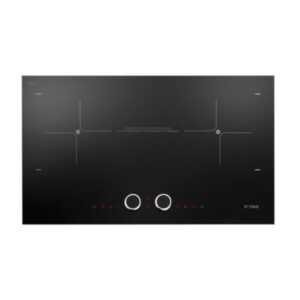
Fotile Electric Hobs in Pakistan — Shop Sadaat Electronics (Karachi & Nationwide Delivery)
Why Buy from Sadaat Electronics?
Local guidance you can trust
Sadaat Electronics is a Karachi-based home and kitchen appliances store serving customers across Pakistan with practical, people-first advice. Visit us at Mariam Center, Shop 5, Abdullah Haroon Road, Saddar, Karachi or call +92 330 999 7564 for quick assistance. We help you choose the right Fotile electric hob for your cooking style, available space, and power setup—so you get smooth installation and long-term reliability.
Genuine products, invoice, and post-purchase support
We supply genuine products with proper billing and usage guidance. Our team can coordinate with your electrician/installer on requirements such as a dedicated circuit, earthing, and correct counter cut-out (confirmed from the model datasheet) to help you avoid mishaps that lead to performance issues or voided warranties.
Tailored to Pakistan’s cooking and power conditions
From voltage fluctuations to frequent oily stir-fries, Pakistani kitchens are unique. We explain how induction and ceramic hobs behave in our conditions, what cookware works best, and what to consider if you plan to use a UPS or inverter for backup cooking.
What Is a “Fotile Electric Hob”?
Built-in, glass-top electric cooking
A Fotile electric hob is a sleek, built-in glass cooktop that installs flush with your counter. Instead of gas, it uses electricity to heat your cookware. The surface is easy to wipe clean, the controls are touch-based, and safety features like residual-heat indicators and child lock are common (availability varies by model).
Two main types: Induction and Ceramic (radiant/hotplate)
In Pakistan, “electric hob” usually refers to either induction (magnetic heating) or ceramic/radiant (heating elements under the glass). Both are modern, space-saving, and attractive; the best choice depends on speed, cookware, and your home’s power setup.
Induction vs Ceramic: Which One Fits Your Kitchen?
Induction: fast, efficient, safer surface
Induction hobs use magnetic fields to heat the pan directly. They boil water quicker, offer more precise control, and keep the glass cooler around the pan area. They require induction-ready cookware (a magnet sticking to the base is a quick test). For busy Karachi or Lahore households that want speed and lower heat spillover, induction is an excellent pick—provided your electrical circuit is appropriate.
Ceramic (radiant): wider cookware compatibility
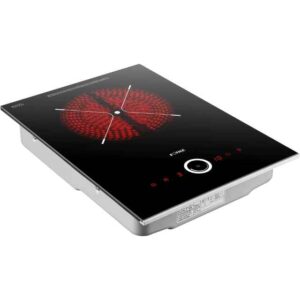
Ceramic hobs heat the glass, which then heats the cookware. They work with most flat-bottom pans, including many that are not induction-compatible. While they’re typically a bit slower than induction and the surface gets hotter, they’re versatile and straightforward—ideal for homes that prefer broader cookware compatibility without changing pans.
Pakistan realities: voltage and cooking style
For high-heat frying or rapid boiling, induction’s responsiveness shines. If your cookware is mixed (some non-magnetic), ceramic may be simpler. In areas with significant voltage fluctuation, both types benefit from correct earthing, a dedicated circuit, and sensible usage habits; your electrician should size wiring and protection based on the specific model’s wattage.
Types & Sizes — Find the Right Fotile Hob
Sizes & zones (what fits your counter)
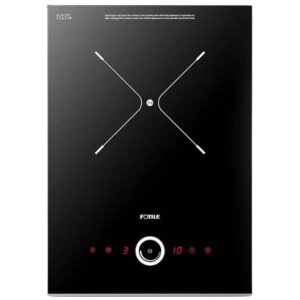
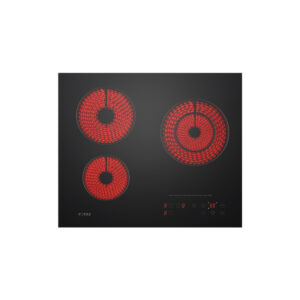
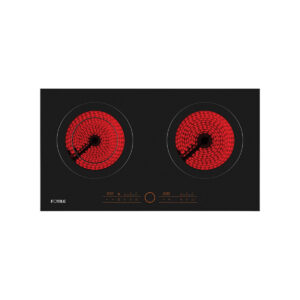
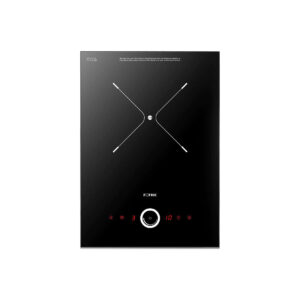
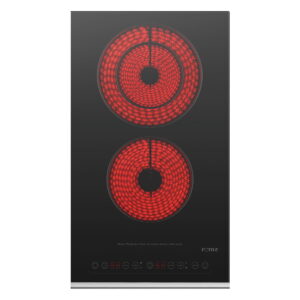
Fotile electric hobs commonly come in compact “domino” formats (around 30 cm wide with 1–2 zones) and family-ready formats (around 60 cm with 2–3 zones). For studio kitchens or auxiliary cooking alongside a gas hob, a 2-burner/2-zone domino is space-efficient and easy to power on a dedicated circuit. Families in Karachi, Lahore, and Islamabad often prefer 60 cm models because two active zones cover daily meals without crowding the counter. If you cook with large tawas or wide pots, check the usable zone diameters on the model page before deciding.
Plan your cut-out with the cabinet maker only after confirming the exact dimensions from the product page or datasheet. Allow for ventilation slots and heat clearance below/around the hob, and keep wiring accessible for maintenance. If you are replacing a 60 cm gas hob, don’t assume the hole matches—electric models often require different corners/clearances. Share the datasheet with your installer and electrician before any cutting to avoid rework.
Controls & interfaces (touch, slider, and timers)
Fotile electric hobs typically use touch keys or slider bars for quick heat changes, which feels natural if you frequently move between simmer and sear. Look for clear level steps, an easy-to-reach lock, and an intuitive timer that can shut a zone off automatically. Some models add pause/keep-warm and power-boost modes for rapid boiling. On a glass surface, responsive touch keys are essential—test with dry fingers in-store if you can.
Indicator lights and on-glass symbols should be easy to read in bright Pakistani kitchens. Residual-heat indicators alert you when a zone remains hot after cooking, reducing accidental contact. If you prefer cooking by “numbers,” pick a hob with more granular levels rather than low/medium/high shortcuts. Features vary by model, so confirm on the specific product page or call our team for guidance.
Buying Guide for Pakistan (Read Before You Install)
Electrical requirements & safety
Electric hobs perform best on a dedicated circuit with proper earthing and an appropriately sized MCB selected by your electrician after checking the hob’s nameplate wattage. Maintain clean, tight terminals and avoid sharing the circuit with heavy appliances like ovens or microwaves. Because voltage fluctuation is common, consider surge protection; ask your electrician about placing protective devices upstream without interfering with induction electronics. A qualified installer should verify socket rating, junction box quality, and cable routing to prevent heat build-up.
Never rely on extension cords or loosely twisted connections—these can overheat under sustained cooking loads. Keep the connection point accessible for inspection, and ensure airflow under the counter matches the datasheet guidance. If your kitchen uses a false back panel, include a service hatch. When in doubt, send us the model number and we’ll help your electrician confirm the basics before installation.
UPS/inverter reality check
Induction hobs can draw high power quickly, which may exceed the continuous or surge capacity of typical home inverters in Pakistan. Even if an inverter is rated for the load, long cooking sessions may drain batteries rapidly and trigger shutdowns. Ceramic (radiant) hobs spread power over time but still require a stable supply and dedicated circuit. For daily heavy cooking, the grid or a generator is generally more reliable than backup power.
If you plan occasional cooking on backup, use a pure sine-wave inverter with sufficient surge headroom and confirm the hob’s maximum load first. Start with one zone at moderate settings to test stability before full use. Avoid pairing induction with line stabilizers that distort frequency—they can interfere with electronics. Warranty terms may exclude issues caused by poor power quality, so verify before purchase.
Cookware compatibility (induction vs ceramic)
Induction hobs need ferromagnetic cookware: if a small magnet sticks firmly to the base, it will likely work. Flat, heavy bottoms transfer heat more evenly and reduce noise. If your existing pots are aluminum or copper without a magnetic base, consider a few induction-ready essentials (kadhai, saucepan, and a flat tawa) for everyday Pakistani cooking. Ceramic hobs, on the other hand, heat the glass first and then the pan, so most flat-bottom cookware works without special materials.
Pan size matters on both types: match the zone to the base diameter for efficient heating and to avoid hot spots. Avoid warped or concave bases that can whistle or underperform on induction. For “electric chulha/induction chulha” style high-heat tasks, induction’s responsiveness is excellent—just ensure suitable pans and proper power. When unsure, bring a favorite pan to our store and we’ll test its compatibility on a demo unit.
Key Fotile Features (vary by model)
Safety & everyday convenience
Most Fotile electric hobs include safety features designed for busy family kitchens. Child lock helps prevent accidental changes, while residual-heat indicators warn you when a zone remains hot after cooking. Auto shut-off can cut power if a zone runs unattended or if sensors detect a fault condition. On induction models, pan detection prevents energy waste by switching off when no compatible cookware is present. These features can reduce everyday risks and make the cooking area safer for households with children or elderly users.
Convenience features differ by model, so confirm on the product page before purchase. Many users appreciate timers that turn zones off automatically—handy for boiling pasta or simmering daal. A quick “pause” function (where available) lets you step away without losing settings. Visual feedback on the glass—clear icons and indicator LEDs—matters in bright Pakistani kitchens, so test visibility in-store or ask our team for a demo.
Power handling & cooking performance
Induction models often offer a “boost” function for rapid boiling, which is useful when you need rolling heat for tea, noodles, or quick stir-fries. More granular power levels give finer control over simmering, helping you avoid scorched gravies and oily splatters. Zone layouts vary: some models keep zones independent, while others support flexible/bridge areas (availability depends on the model). Whichever you choose, match pan size to the active zone for consistent results and efficiency.
Ceramic (radiant) models heat the glass and then the pan, so response is slightly slower than induction, but they are compatible with a wider range of flat-bottom cookware. If you prefer steady, predictable heat for slow-cooked nihari or haleem, ceramic can be very comfortable to use. For frequent high-heat searing, induction’s responsiveness is a strong advantage. Ask us to compare models side-by-side so you can feel the difference in control and speed.
Prices in Pakistan — What affects cost?
Pricing varies with technology (induction vs ceramic), number and size of zones, control style (touch vs slider), and safety/automation features. Design details such as beveled glass edges, frame style, and included accessories can also influence the price. Imported appliances are sensitive to currency exchange rates and duties, so shelf prices can change even within a season. Because of these factors, “Fotile electric hob price in Pakistan” is best confirmed close to your purchase date.
For current pricing and availability, call +92 330 999 7564 or visit our Saddar, Karachi store. Tell us your preferred size (e.g., 30 cm domino or 60 cm 2–3 zones), power setup, and cooking priorities; we’ll shortlist options within your budget. If you’re pairing a hob with a Fotile hood or built-in oven, ask about package considerations to balance electrical loads and cabinet space without surprises.
Installation & Cut-Out Basics (no guesswork)
Measure twice, cut once
Always confirm the exact cut-out dimensions and ventilation clearances from the model’s datasheet before your carpenter makes any cuts. Electric hob corners, radii, and ventilation slots can differ from gas hobs, even when both are “60 cm.” Keep adequate airflow beneath the unit to avoid heat build-up and premature component stress. Plan socket placement so the plug and cable are accessible for service without removing the entire hob. If you’re replacing a gas unit, expect minor carpentry adjustments to ensure a snug, safe fit.
Dry-fit the hob in the cut-out before final sealing, and verify the countertop is level to prevent cookware from “drifting.” Use the recommended sealing method to prevent spills from seeping into the cabinet. After installation, run each zone up to a moderate level to check stability and power draw. If you notice nuisance tripping or heat buildup in the junction box, have your electrician review MCB sizing, connections, and cable gauge immediately.
Professional fitment & electrical sign-off
Use a qualified installer and a licensed electrician to connect the hob on a dedicated, properly earthed circuit. Avoid extension cords and multi-plug adapters—they overheat under cooking loads and can void warranties. In areas with frequent surges, ask about upstream surge protection that does not interfere with induction electronics. If you intend limited UPS/inverter use, confirm continuous and surge capacity against the hob’s nameplate power first.
After installation, keep the datasheet and invoice handy for future service. Show caregivers and domestic staff how to use the child lock, timers, and basic cleaning routine. A quick handover reduces misuse, scratches, and accidental overflows. For any uncertainty—model selection, cut-out drawings, or power questions—call our team and we’ll coordinate with your installer.
Care & Maintenance
Daily cleaning
Let the surface cool and wipe spills promptly, especially sugar or starch that can harden on glass. Use a soft cloth or sponge with a cleaner that’s safe for glass-ceramic cooktops. For stubborn marks on ceramic hotplate hobs, a purpose-made scraper at a shallow angle can lift residue—follow the tool’s instructions carefully. Avoid abrasive pads or powders; they can haze the glass. Finish with a dry microfiber to keep your Fotile glass ceramic cooktop streak-free.
Do’s & Don’ts
Do: match pan size to the active zone, keep pan bases clean and flat, lift cookware instead of sliding, and keep ventilation under the built-in electric hob clear. Don’t: use foil or plastic near active zones, rest hot lids face-down on the surface, place heavy items on the glass edge, or connect via extension leads/multi-plugs. If an induction cooktop shows error codes or unusual noise, switch off and consult the manual or call us for guidance.

 Electric Hobs, Fotile Electric Hobs, Fotile Hobs, Hobs, Kitchen Appliances
 Electric Hobs, Fotile Electric Hobs, Fotile Hobs, Hobs, Kitchen Appliances