

No products in the cart.

Commercial Freezer
Showing the single result
- Commercial Freezer, Commercial Products
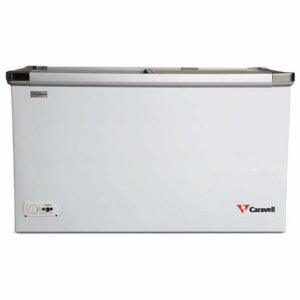
Caravell Commercial Deep Freezers CDF-12 GSD 12 CFT Glass Sliding Doors
 Commercial Freezer, Commercial Products
Caravell Commercial Deep Freezers CDF-12 GSD 12 CFT Glass Sliding Doors
0 out of 5(0)
Highlights:
CDF 12 GSD Deep Freezers by Caravell come with a solid glass door that can be used for product display and branding. This model is ideal for frozen foods. The freezer has a capacity of 12 C.FT and comes with a closing door. The freezer is also equipped with a door lock system for safety. The freezer has an energy-saving feature that makes it an economical choice for your business. The freezer is also CFC free.
SKU: n/a
Showing the single result
Commercial Freezer in Pakistan — Shop by Type & Capacity
Looking for a commercial freezer that can handle Karachi’s heat and the rush of service? Start by matching the freezer type to your space, menu, and daily throughput. Most Pakistani kitchens run on 220–240V, 50Hz, so pay attention to power and ventilation along with capacity. If you already know your category, you can jump straight to the products here: Commercial Freezer category.
Shop by Type
Chest / Deep Freezers
Chest (deep) freezers are ideal for bulk storage of meat, frozen dough, and prep items that don’t need front-of-house display. The broad top-opening design reduces cold-air loss when opened, helping maintain stable temperatures during long shifts. They typically offer faster freezing performance, generous basket options, and fewer moving parts. If your team preps in batches or you stock seasonal items, a chest freezer gives you dependable capacity at a competitive cost per litre.
Measure floor space and lid clearance before you buy—chest units are wide and need room to open fully without blocking aisles. Keep a clear air gap around the sides and rear for ventilation. For browsing and shortlisting, see general freezer listings here: Freezers.
Upright / Vertical Freezers
Upright (vertical) freezers save floor space and make stock rotation easy with adjustable shelves. They suit busy kitchens where staff need quick access to specific items without digging through deep compartments. Door gaskets and insulation quality matter here—look for strong seals to minimize temperature swings from frequent openings. If your kitchen is narrow or has a lot of foot traffic, an upright footprint often fits better than a chest.
Plan shelf heights around your most-used containers, trays, and GN pans to cut seconds per pick during service. Check door swing direction and ensure it won’t clash with prep tables or oven doors. Explore upright options here: Vertical Freezers.
Glass-Door / Display / Merchandiser Freezers
Glass-door display freezers are built for sales visibility—perfect for ice cream, frozen desserts, and impulse items near the checkout. Clear fronts let customers self-serve while keeping doors closed longer, helping maintain temperature. Interior lighting, adjustable shelves, and easy-clean liners make merchandising simple, especially in minimarts and bakeries. Choose models with sturdy door hinges and reliable defogging for humid conditions.
If you sell both chilled and frozen products in the same frontage, consider pairing a display freezer with a matching merchandiser chiller for a cohesive look and easier planograms. We’ll cover temperature classes and ambient ratings in the next sections so you can pick a unit that holds steady even during summer peaks.
Capacity Guide for Pakistani Kitchens
Use-Case Mapping (Café, Bakery, Minimart, Restaurant, Cloud Kitchen)
For cafés and bakeries, start around the 300–400 L range for desserts, dough, and backup stock; add another unit as your daily covers and delivery orders grow. Minimarts often need 400–600 L and prefer glass-door units for merchandising. Restaurants and caterers benefit from a mixed setup—one chest freezer for bulk storage and one upright for fast-pick items. Cloud kitchens with tight footprints commonly choose a narrow upright for picks plus a compact chest for batch prep.
Match capacity to real turnover: if you restock twice a week, you can run a smaller unit more efficiently than a large half-empty one. Avoid overfilling—air needs to circulate for stable temperatures. As a rule of thumb, size for peak days, not your quietest shift.
Litres vs Footprint & Access
Before finalizing capacity, measure doorways, stairwells, and lifts on the delivery route; many returns happen because the unit won’t pass through an internal door. Leave space for ventilation (sides and rear) and for door or lid movement. Map the unit into your workflow so it doesn’t block prep, dishwashing, or POS lines. Good placement reduces door-open time and improves temperature stability.
Consider basket count (for chest freezers) and shelf adjustability (for uprights) to keep SKUs separated and first-in-first-out easy. If your layout changes seasonally, choose casters with locks for safe repositioning. When you’re ready to compare commercial lines and sizes, browse the main category here: Commercial Freezer.
Temperature & Performance (What to Check)
Food-Safe Temperature Ranges
For most frozen foods, look for units designed to hold around −18 °C in regular operation. The goal is stability—rapid recovery after door openings and consistent temperatures across shelves or baskets. If you handle ice cream or delicate desserts front-of-house, choose a unit with precise control and even airflow so products don’t soften at the edges while hardening in the back.
Avoid mixing warm, newly delivered stock with already-frozen items without planning the load. Stage incoming cartons in a chiller first when possible, then move to the freezer in smaller batches. This reduces temperature shock and helps the compressor maintain a steady set point.
Ambient Rating & Tropicalized Performance
Pakistan’s summer heat and Karachi’s coastal humidity demand stronger insulation, reliable gaskets, and compressors that are comfortable at higher ambient temperatures. When comparing models, check for “tropicalized” or high-ambient suitability and verify recommended clearance for ventilation on all sides.
Place the freezer away from ovens, tandoors, or direct sunlight, and keep the condenser coils clean. A well-ventilated location can be the difference between a compressor that cycles calmly and one that struggles (and costs more in electricity).
Fast-Freeze, Insulation & Door Seals
Fast-freeze (or turbo) modes help pull down new loads quickly, but they work best when the lid/door stays closed for longer stretches. Thick insulation and high-quality gaskets prevent warm, humid air from entering, reducing frost buildup and energy waste.
Make a weekly habit of inspecting seals for cracks or debris. Even a small leak allows moisture in, forming frost that insulates the evaporator and forces longer run times.
Defrost & Condensate Management
Manual-defrost chest freezers are simple and efficient, but they need scheduled defrosting to keep performance sharp. Upright and glass-door units often use automatic or semi-automatic defrost systems—great for convenience, provided drainage is well designed and kept clear.
Plan for where the condensate goes. In humid months, blocked drains can overflow and create slips near customer areas, especially with display units.
Energy & Power Considerations
Inverter vs Non-Inverter Compressors
Inverter deep freezers vary compressor speed to match load, which can smooth temperature swings and lower average consumption. They also tend to run quieter with fewer hard starts—useful in small cafés or kiosks. Non-inverter units can still be efficient, but they toggle on/off at full power and may draw higher surge current.
If your usage pattern includes frequent door openings (upright or glass-door), the steadier control of an inverter can help maintain set temperatures without aggressive cycling. For bulk storage in a back room with fewer openings, a well-insulated non-inverter chest can be very economical.
Voltage Stability & Protection
Voltage fluctuation and occasional load-shedding mean protection is essential. Use an appropriately rated stabilizer or AVR and confirm start-up (inrush) current so your protection device isn’t undersized. Dedicated circuits and good earthing reduce nuisance trips and extend compressor life.
During outages, keep doors closed to preserve the thermal mass. Train staff on a quick, low-open routine: plan the pick, open once, close promptly. Smart habits save more energy than most settings do.
Backup Power Basics
For generator or UPS use, check rated wattage and starting current. Freezers may start at several times their running amps for a brief moment. Oversize the generator/UPS accordingly and avoid sharing with heavy kitchen loads on the same line.
When pairing a display freezer with a merchandiser chiller, balance circuits to reduce simultaneous surges. You can explore merchandiser chillers here if you’re planning a combined storefront: Commercial Chiller.
Build & Hygiene Features
Interiors & Cleanability
Look for food-safe liners with smooth corners so spills don’t trap in seams. Removable baskets (in chest freezers) and adjustable shelves (in uprights) cut cleaning time and help with FIFO stock rotation. Interior lighting should be bright enough to read labels quickly without propping the door open longer than necessary.
Choose models with accessible condenser and evaporator areas for routine dusting; clogged coils raise energy use and slow temperature recovery. A simple weekly wipe-down schedule keeps gaskets pliable and prevents odours that migrate between desserts, meats, and seafood.
Durability, Mobility & Safety
Commercial kitchens are tough environments—opt for anti-corrosion exteriors and sturdy hinges that survive frequent openings. Caster wheels with front locks let you slide units out for cleaning and then secure them against movement. In front-of-house zones, door locks help with after-hours security and food safety controls.
Check handle ergonomics and door swing so staff can open and close with a single hand even when carrying trays. Small usability details reduce accidental long-open events that cause temperature spikes and frost.
Defrost & Drain Design
Manual-defrost units are efficient but require scheduled thaw cycles; plan them during low-traffic windows. For auto-defrost uprights or display units, verify that condensate drains are easy to access and won’t drip near walk paths. A well-placed drain and tight door seals mean less ice build-up and fewer service calls.
Keep a basic kit—plastic scraper, food-safe cleaner, spare gaskets—to handle minor issues in-house. Consistent defrost hygiene extends compressor life and protects product quality.
Which Freezer Fits Your Business?
Ice-Cream, Gelato & Desserts (Front-of-House)
Choose glass-door or showcase freezers with bright interior lighting and reliable door seals. Visibility boosts impulse sales while reducing door-open time. Match shelf spacing to your most common SKUs so staff can restock fast without rearranging the whole cabinet.
If humidity is high, prefer units with effective anti-fog features and stable airflow so the top rows don’t soften while the back rows frost over. Place away from direct sun and hot equipment to keep temperatures even across the cabinet.
Back-of-House Bulk Storage (Restaurants & Caterers)
For long holds and batch prep, a chest deep freezer offers value and strong pull-down performance. Pair it with an upright reach-in for frequently accessed items—this combination keeps the chest closed longer and stabilizes production flow.
Label shelves and baskets by day or station (grill, bakery, pantry) to cut pick times during service. Consider two medium units rather than one very large unit for redundancy and easier maintenance rotations.
Small Formats & Kiosks (Tight Footprints)
Narrow uprights or compact single-door freezers make sense where aisle space is limited. Measure doorways and turns on the delivery path, not just the final spot. For frequent door openings, an inverter model can help maintain temperature with less noise and cycling.
If you need a slim, dedicated unit for a specific SKU set, browse compact options here: Single-Door Freezers. Place on a dedicated, level surface with a small rear and side clearance to aid ventilation.
Price Guide (Pakistan) — What Affects Cost
Key Cost Drivers
Pricing varies by capacity (litres), compressor type (inverter vs standard), door style (glass vs solid), insulation thickness, and brand warranty. Display units generally cost more than solid-door storage models due to glass, lighting, and merchandising hardware.
Add-ons—like heavy-duty casters, door locks, or specialty baskets—also influence the final ticket. Factor in service access and parts availability for your city to reduce lifetime costs.
How to Check Current Price & Availability
Commercial inventory and pricing can change by city and season. For the latest availability, visit the category page, add items to cart, or call/WhatsApp +92 330 9997564 for guidance from the showroom at Mariam Center, Shop 5, Abdullah Haroon Road, Saddar, Karachi. Confirm delivery options, lead times, and warranty terms at checkout.
When comparing two models, ask about energy use, ambient rating, and after-sales support. A slightly higher upfront cost can pay back in lower bills and fewer interruptions during peak hours.
Total Cost of Ownership
Consider electricity, planned maintenance (gaskets, cleaning, defrost), and potential downtime. Good placement, ventilation, and staff habits can save more over a year than a small difference in sticker price. Keep a maintenance log; it helps you catch small issues before they become expensive repairs.
Care & Maintenance (Extend Lifespan)
Placement & Ventilation
Leave recommended clearances on the sides, rear, and top so hot air can escape. Avoid direct sunlight and hot zones near ovens or tandoors. Level the unit to ensure doors seal evenly and condensate drains properly.
Train staff to minimize open time: plan the pick, open once, close promptly. Little habits add up to lower bills and longer compressor life.
Cleaning & Defrost Routine
Schedule a quick weekly clean: wipe gaskets, clear vents, dust the condenser, and check door alignment. For manual-defrost units, plan a full defrost before ice is more than a few millimetres thick; thick frost acts like insulation and forces longer run times.
Use food-safe cleaners and a plastic scraper—never metal—to protect liners and coils. After cleaning, let the unit pull down to temperature before reloading sensitive items.
Basic Troubleshooting
Excess frost? Check gasket condition and door-opening habits. Slow pull-down? Clean coils, confirm ventilation space, and verify the load wasn’t too warm. Water near the unit? Inspect and clear the drain line. If issues persist, contact service rather than running the unit in distress.
Keep a simple maintenance log with dates for cleaning, gasket checks, and defrosts. It helps pinpoint patterns and supports warranty discussions.
Why Buy from Sadaat Electronics
Local Guidance & Showroom Support
Visit our showroom at Mariam Center, Shop 5, Abdullah Haroon Road, Saddar, Karachi, or call/WhatsApp +92 330 9997564. Get practical help on sizing, placement, and power protection based on real Pakistani conditions.
See units in person, compare build quality, and confirm delivery options that fit your schedule and site constraints.
Curated Selection & After-Sales
Choose from commercial storage and display models with the features that matter: reliable temperature holding, strong gaskets, and efficient compressors. Warranty and service channels vary by brand—our team will explain what’s covered and how to claim.
We can also help you pair display freezers with merchandiser chillers for a cohesive storefront planogram.
Easy Ways to Get Help
Prefer messaging? Send us your layout and menu highlights via WhatsApp to get a quick shortlist. Ready to buy? Add to cart on the category page and confirm stock, delivery, and payment at checkout.
If you need a second opinion on inverter sizing, ambient ratings, or backup power, our team can walk you through the trade-offs without jargon.
FAQs
Which is more efficient: chest or upright?
Chest freezers usually waste less cold air when opened and can be more energy-efficient for bulk storage. Uprights win on access and faster picks—choose based on how often you open the door and your available space.
What size fits a Karachi café with 200–300 covers per day?
Start around 300–400 L if you restock multiple times a week. If you batch prep or hold ice cream and desserts, consider adding a compact display unit for front-of-house and keeping a chest freezer for back-of-house bulk.
Does an inverter deep freezer need a special stabilizer?
Use a properly rated stabilizer/AVR either way. Inverter models still require protection against voltage swings and a dedicated circuit with good earthing.
Can a display freezer hold meat, or only desserts?
Display freezers are optimized for visibility and frequent access. They can hold frozen meats if the temperature specification fits, but for heavy back-of-house storage and long holds, a chest or upright reach-in is usually better.
How much clearance should I leave around the unit?
Follow the manufacturer’s ventilation guidance and leave space at the sides, rear, and top for airflow. Good clearance improves temperature stability, reduces energy use, and extends compressor life.