

No products in the cart.

Roti Maker
Showing all 3 results
- Kitchen Appliances, Roti Maker, Westpoint Roti Maker
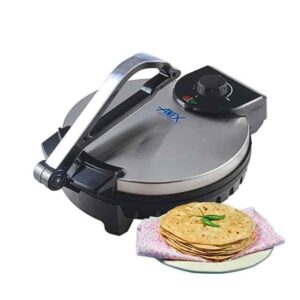
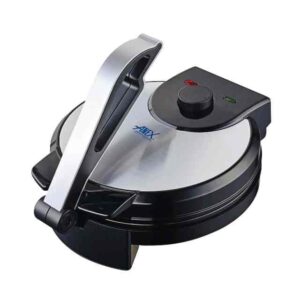
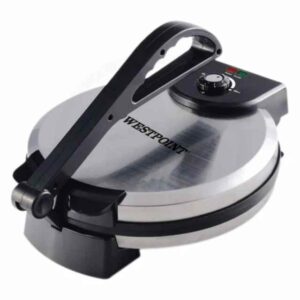
Westpoint Roti Maker 6514
- Non-Stick 12 Inch Plate
- Cool Touch Stainless Steel Housing
- Power and Ready Light Indicator
- Thermostatically Controlled
- Cord Wrap for Storage
- Easy Cleaning
- Mom will love the Westpoint roti maker price in Pakistan
- 2000 Watts | 220 – 240V – 50Hz
- Weight: 2.7 kg
SKU: n/a
Buy Roti Makers Online in Pakistan
A roti maker can reduce the time and effort required to prepare chapati at home. Sadaat Electronics offers electric roti maker options for customers who want a simple appliance for pressing and cooking roti. These machines suit students, working couples, small families, and anyone who finds manual rolling difficult. Review each product listing before ordering because the plate size, power, controls, price, and stock can differ by model.
Roti Maker Price in Pakistan
Roti maker prices in Pakistan vary by brand, plate size, wattage, temperature control, body material, and non-stick coating. Imported stock costs and currency changes can also affect the listed price. A lower-priced model may suit occasional use, while a roti maker with adjustable heat, indicator lights, or a larger cooking plate may cost more.
Check the current product price on Sadaat Electronics before placing your order. You should also confirm the model number, warranty details, delivery charges, and availability. Customers who need help can contact Sadaat Electronics at +92 330 9997564 or visit Shop 5, Mariam Center, Abdullah Haroon Road, Saddar, Karachi.
Types of Roti Makers
Electric Roti Maker
An electric roti maker uses heated upper and lower plates to press and cook dough. Most household models still require the user to prepare the dough, make equal portions, place each portion on the plate, and control the pressing time. Heat performance and cooking results can vary between models.
Non-Stick Roti Maker
A non-stick roti maker can make food release and cleaning easier. The coating needs careful handling. Avoid metal tools, sharp objects, and rough scrubbers because they can scratch the cooking surface and reduce its useful life.
Automatic Roti Maker
The word “automatic” often refers to thermostat-based heat control rather than a machine that kneads, portions, presses, and cooks without help. Read the listed features carefully before buying an automatic roti maker. Do not assume that every model includes dough kneading or fully automatic cooking.
How to Choose the Best Roti Maker in Pakistan
Check the Plate Size
The plate size affects the diameter of the chapati you can prepare. A compact roti maker may suit one or two users, students, or people with limited kitchen space. A larger plate may be more useful for families that prepare several rotis at lunch or dinner. Check the listed dimensions before ordering because product photos do not always show the actual size clearly.
You should also consider where you will use and store the appliance. A portable roti maker is easier to move between the kitchen counter, dining area, and storage cabinet. However, a lightweight appliance should still have stable feet and a firm handle. Make sure the selected model fits your available counter and cabinet space.
Compare Wattage and Heat Controls
Wattage shows how much electrical power the appliance uses while operating. A higher wattage does not always mean that a model will make better rotis. Even heating, plate quality, thermostat performance, and correct dough preparation also affect the result. Check the wattage on the product page and make sure your wall socket can safely support the appliance.
Some models use automatic temperature control, while others provide an adjustable heat setting. Indicator lights can show when the power is on or when the plates have reached the required temperature. These features can make daily use easier, but controls differ between models. Review the specifications of each available kitchen appliance before making a decision.
Review the Build and Non-Stick Surface
A secure hinge, stable base, and heat-resistant handle can improve safety during pressing. The upper plate should close evenly so the dough receives balanced pressure. You should also check the body material and cord position. A poorly placed cord can touch the hot appliance or create a tripping risk.
The quality of the non-stick surface affects food release and cleaning. A damaged or scratched coating may cause dough to stick. Use only soft cloths and non-metal tools on the plates. Customers can compare listed models such as the Anex Deluxe Roti Maker AG-2029 and review the exact features shown on each product page.
How an Electric Roti Maker Works
Prepare Soft Dough
Good results start with properly prepared dough. Dough that is too dry may produce hard or cracked chapatis, while very wet dough may stick to the plates. Knead the flour and water until the dough becomes soft and smooth. Let it rest before dividing it into equal portions.
Use similar-sized dough portions so each roti cooks at a similar rate. Avoid covering the dough with too much loose flour because excess flour can burn on the hot plates. Keep the prepared dough covered so it does not dry out. Dough quality often has a greater effect on softness than the appliance alone.
Preheat and Press Carefully
Place the electric chapati maker on a dry and stable surface. Plug it into a suitable wall socket and allow it to preheat according to the product instructions. Position one dough portion near the centre of the lower plate. Close the upper plate and press the handle gently for the time recommended in the manual.
Too much pressure can make the dough uneven or push it beyond the plate edges. Too little pressure may leave the chapati thick in some areas. The correct method may require a few practice attempts because flour type, dough softness, and portion size can change the result. Follow the instructions supplied with your exact model instead of using one method for every machine.
Cook and Store the Roti Properly
Cooking time depends on the model, heat level, dough thickness, and preferred browning. Watch the roti closely during the first few uses. Remove it when it is cooked through and has the colour and texture you prefer. Do not leave it on the hot plate longer than necessary because excess heat can make it dry.
Place finished rotis in an insulated container or wrap them in a clean cloth to retain softness. Prepare small batches when possible so the chapatis remain fresh. For larger families, organise the dough portions before switching on the appliance. This can make repeated cooking faster and reduce unnecessary electricity use.
Common Roti Maker Problems and Solutions
Why Does the Roti Become Hard?
A hard roti often results from dry dough, excessive cooking, or high heat. Dough needs enough water and resting time to stay soft during cooking. If the dough cracks while shaping, add a small amount of water and knead it again. Keep the prepared dough covered so its surface does not dry out.
Remove each roti as soon as it cooks. Leaving it on the hot plate for too long can reduce moisture and make the texture firm. Place finished rotis inside an insulated container or wrap them in a clean cloth. This step can help retain warmth and softness until serving.
Why Does the Roti Not Puff?
A roti may not puff when the dough is too dry, the thickness is uneven, or the appliance is not fully preheated. Unequal pressing can also leave one area thicker than another. Use equal dough portions and position each portion near the centre of the lower plate.
Puffing also depends on flour quality, dough hydration, cooking temperature, and practice. A roti maker cannot guarantee that every chapati will puff. Test small changes in dough softness and pressing time until you find the method that works with your appliance.
Why Does the Dough Stick?
Dough may stick when it is too wet, the plates contain food residue, or the non-stick coating is damaged. Let the machine preheat before placing dough on the plate. Avoid using excessive water during kneading and remove loose sticky dough from your hands before forming portions.
Clean the plates after they cool. Do not scrape stuck food with a knife or metal spoon. Sharp tools can damage the surface and make future sticking worse. If the coating is peeling or badly scratched, stop using the appliance and ask a qualified technician or seller for guidance.
Why Is the Chapati Uneven?
An uneven chapati may result from an irregular dough portion or off-centre placement. Roll the dough into a smooth ball before placing it on the cooking plate. Press the handle evenly and avoid forcing one side more than the other.
Plate size also affects the final shape. A very large dough portion may spread beyond the heated area, while a small portion may remain thick. Use the quantity recommended in the product instructions and adjust it gradually after a few test rotis.
Benefits and Limitations of a Home Roti Maker
Benefits for Daily Kitchen Use
A home roti maker can reduce manual rolling and help users prepare chapatis with a more consistent size. It may suit students, working people, elderly users, or anyone who finds a rolling pin difficult to use. A compact model can also fit in kitchens with limited counter space.
The appliance can be useful for preparing small batches quickly after the dough is ready. Non-stick plates may reduce cleaning effort compared with some traditional cooking surfaces. Results usually improve after the user learns the correct dough softness, pressing method, and cooking time.
Important Limitations
A standard roti making machine for home does not usually knead flour or create dough portions. Most models still require manual dough preparation and careful placement. The final texture may also differ from a hand-rolled chapati cooked on a traditional tawa.
Household roti makers are designed for domestic use and may not suit continuous commercial production. Large families may need to prepare several batches during one meal. Check the listed capacity and product instructions before using a household model for frequent or heavy-duty work.
How to Clean a Non-Stick Roti Maker
Clean the Plates After Use
Switch off the appliance, unplug it, and let it cool before cleaning. Wipe the plates with a soft damp cloth or non-abrasive sponge. Remove flour, oil, and cooked residue gently. Dry the plates before closing and storing the machine.
Do not immerse the electrical appliance, plug, or cord in water. Avoid pouring water directly onto the cooking plates unless the product manual clearly allows it. Water inside the electrical parts can damage the machine and create a safety risk.
Protect the Non-Stick Coating
Use wooden, silicone, or other non-metal utensils where suitable. Do not cut food directly on the cooking surface. Avoid steel wool, rough scrubbers, and harsh cleaning powder because these products can scratch the coating.
Store the roti maker in a dry place. Do not place sharp utensils or heavy items between the plates. If the model supports upright storage, secure it according to the manufacturer’s instructions and keep the cord organised.
Electrical Safety for Roti Makers
Use a Suitable Power Socket
Check the voltage and wattage shown on the appliance or product listing. Connect the machine to a stable wall socket and avoid loose plugs. Do not overload an extension board with several high-power kitchen appliances at the same time.
Use the roti maker on a dry and heat-resistant counter. Keep the cord away from the hot plates, water, and open flames. Children should not operate or touch the appliance without close adult supervision.
Stop Using a Damaged Appliance
Unplug the machine if you notice a burning smell, sparks, unusual sounds, a damaged cable, or a loose plug. You should also stop using it if the housing is cracked, the hinge feels unstable, or the non-stick coating is peeling.
Do not open or repair the electrical parts at home unless you are qualified to do so. Contact the seller, authorised service provider, or a trained appliance technician. Continuing to use a damaged roti maker can increase the risk of electric shock, burns, or further damage.
Buy a Roti Maker Online in Pakistan
Check the Product Details Before Ordering
Before you buy a roti maker online, compare the exact model number, plate size, wattage, temperature controls, body material, and listed warranty information. Read the product description instead of choosing only by the image or price. Two appliances may look similar but use different plate sizes, controls, or power ratings.
Customers can also compare models such as the Anex Deluxe Roti Maker AG-2030 and the Westpoint Roti Maker 6514. Check the live listing for current price and stock because these details may change. Confirm delivery charges and return or exchange conditions before completing the order.
Confirm Delivery and Availability
Delivery availability can differ by city, product size, and current stock. Customers ordering for Karachi, Lahore, Islamabad, Rawalpindi, Faisalabad, Multan, Hyderabad, Peshawar, or another location in Pakistan should confirm the delivery options shown at checkout or contact the store directly. This is especially important when the appliance is needed by a specific date.
You can call or send a WhatsApp message to +92 330 9997564 for model-specific questions. Ask about the current price, stock status, warranty supplied with the selected unit, and estimated delivery terms. Clear confirmation can help you avoid ordering the wrong plate size or a model that does not include the controls you need.
Shop at Sadaat Electronics
Compare Roti Maker Models in One Place
Sadaat Electronics lists home, kitchen, and commercial appliances for customers in Pakistan. The roti maker category helps shoppers compare available options without relying on general claims. You can review the listed specifications and select a model that matches your kitchen space, household size, and normal cooking routine.
Customers who need more information can learn about the store on the Sadaat Electronics company page. Product availability, warranty terms, and prices should always be confirmed from the current listing or directly with the store.
Visit the Karachi Store
Customers in Karachi can visit Sadaat Electronics at Mariam Center, Shop 5, Abdullah Haroon Road, Saddar, Karachi. A store visit can be useful when you want to check the appliance size, compare available models, or ask questions before buying.
Call +92 330 9997564 before visiting if you need a specific model. Stock can change, so advance confirmation may save time. Keep the model number ready when contacting the store.
Frequently Asked Questions About Roti Makers
What Is the Roti Maker Price in Pakistan?
The price depends on the brand, plate diameter, wattage, heat controls, build material, and current stock. Imported appliance prices may also change with currency and supply conditions. Check the live product listing for the current roti maker price in Pakistan.
Which Is the Best Roti Maker in Pakistan?
The best roti maker depends on your needs. A compact model may suit a student or small household, while a larger plate may suit a family that prepares several chapatis. Compare plate size, power, controls, storage needs, and warranty information before deciding.
Does an Electric Roti Maker Make Soft Chapatis?
An electric roti maker can make soft chapatis when the dough is properly hydrated, rested, pressed, and cooked. Results also depend on flour quality, temperature, and cooking time. The appliance alone cannot correct dry dough or excessive cooking.
Is an Automatic Roti Maker Fully Automatic?
Many products called automatic roti makers use automatic temperature control, but they still require manual dough preparation and placement. A standard electric chapati maker usually does not knead, portion, press, and cook the dough without user involvement. Check the exact product functions before ordering.
Can a Roti Maker Knead Dough?
A standard roti press machine usually does not knead dough. A dough kneader and roti maker is a different type of appliance with added functions. Do not assume that a household press-style model includes kneading unless the product specifications state it clearly.
Can I Make Paratha on a Roti Maker?
Some users prepare thin paratha or flatbread on suitable models, but thickness, filling, and oil can affect the result. Check the product manual before using the appliance for food other than plain chapati. Avoid excess oil if it can run into the hinge or electrical parts.
How Much Electricity Does a Roti Maker Use?
Electricity use depends on the appliance wattage and the number of minutes it operates. Check the wattage label or product listing and multiply it by your normal usage time. Switching the appliance off after cooking prevents unnecessary power use.
How Do I Clean an Electric Chapati Maker?
Unplug the machine and let it cool. Wipe the plates with a soft damp cloth, remove residue gently, and dry the surface before storage. Do not immerse the appliance in water or use metal scrubbers on the non-stick coating.
Can I Buy a Roti Maker Online in Pakistan?
Yes. You can review available roti maker listings on Sadaat Electronics and place an order online where delivery is available. Confirm the model number, current price, stock, warranty details, and delivery charges before payment.