

No products in the cart.

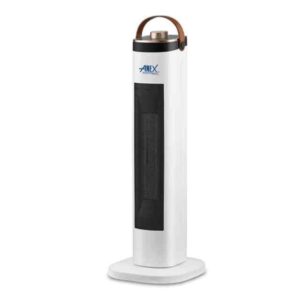
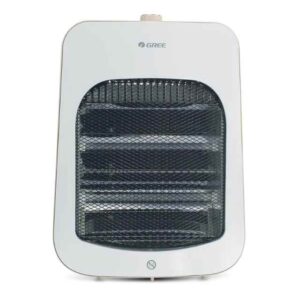
Fan Heater
Showing all 8 results
- Fan Heater
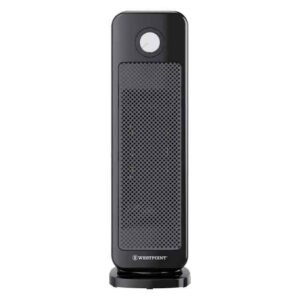
Westpoint Fan Heater WF-4307
- PTC Ceramic Heating & Fan Modes: Offers versatile climate control with 1000W and 2000W heating options using a PTC ceramic heating element, in addition to a fan-only mode.
- Oscillation for Even Distribution: Features an oscillation function with approximately 45° swivelling range to ensure even heat or ventilation throughout your space.
- Thermostatic Temperature Control: Maintains your desired room temperature by automatically switching on and off using its integrated thermostat. Dual Safety Systems: Equipped with a safety switch that disconnects power if the appliance falls over and an overheat protection mechanism for automatic shut-off.
- Integrated Dust Filter: Includes a removable coarse filter at the back that collects dust and can be easily cleaned under running water.
SKU: n/a - Fan Heater, Westpoint Fan Heater
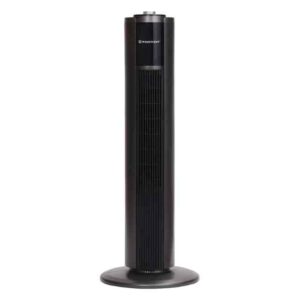
Westpoint Fan Heater WF-6307
- PTC Ceramic Heating & Fan Modes: Offers versatile climate control with 1000W and 2000W heating options using a PTC ceramic heating element, in addition to a fan-only mode.
- Oscillation for Even Distribution: Features an oscillation function with approximately 45° swivelling range to ensure even heat or ventilation throughout your space.
- Thermostatic Temperature Control: Maintains your desired room temperature by automatically switching on and off using its integrated thermostat.
- Dual Safety Systems: Equipped with a safety switch that disconnects power if the appliance falls over and an overheat protection mechanism for automatic shut-off.
- Integrated Dust Filter: Includes a removable coarse filter at the back that collects dust and can be easily cleaned under running water.
SKU: n/a
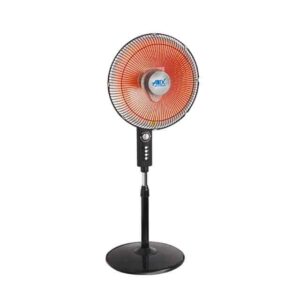
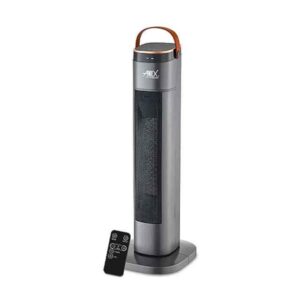
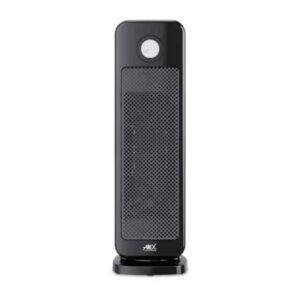
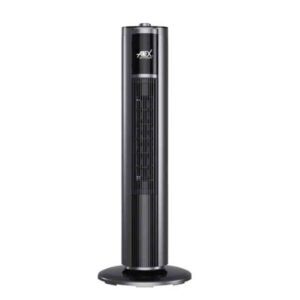
Fan Heater Price in Pakistan
A fan heater provides quick and focused warmth for bedrooms, offices, study areas, shops, and other small to medium spaces. These compact appliances use a heating element and a built-in fan to push warm air into the room. Buyers in Pakistan can choose from standard electric fan heaters, ceramic models, PTC heaters, blower heaters, mini heaters, and hot and cool fan heaters.
The fan heater price in Pakistan depends on the brand, wattage, heating technology, thermostat, safety features, controls, and current stock. Product prices can also change because of seasonal demand and import costs. Compare the specifications shown with each model before placing an order.
Buy a Fan Heater for Quick Room Heating
How Does an Electric Fan Heater Work?
An electric fan heater draws room air through its heating section and sends warm air back into the space. This airflow helps the heater raise the temperature around the user faster than many passive heating appliances. The heating result depends on the appliance wattage, room size, insulation, and outdoor temperature.
A room heater fan is useful for short heating sessions and focused warmth. It may suit cold mornings in Karachi, Lahore, Islamabad, Quetta, and other parts of Pakistan. Larger or poorly insulated rooms may require more time or a different heating solution.
Why Choose a Portable Fan Heater?
A portable fan heater is easy to move between rooms when it has a safe carry handle and compact body. It can provide warmth near a desk, bed, seating area, or shop counter without requiring permanent installation.
Portability does not mean that the heater can be placed anywhere. Keep the appliance on a stable surface and maintain clear space around its air inlet and outlet. Check the product instructions before use.
Types of Fan Heaters Available in Pakistan
Standard Electric Fan Heater
A standard electric fan heater uses an internal heating element with a fan. Many models provide two heat levels and a fan-only setting. Controls and safety features vary between products.
Ceramic and PTC Fan Heaters
A ceramic fan heater uses ceramic heating components to produce warm airflow. Some models use PTC technology, which adjusts the heating element’s resistance as its temperature changes. Buyers should still compare wattage, thermostat settings, airflow, and safety features instead of choosing a model only because it carries a PTC label.
Blower and Mini Fan Heaters
A blower heater moves heated air directly into the room and may suit users who want fast, close-range warmth. A mini fan heater is more suitable for personal spaces and may not provide enough output for a large bedroom, lounge, or commercial area.
Hot and Cool Fan Heater
A hot and cool fan heater usually includes a heating mode and a fan-only mode. The cool-air setting circulates room-temperature air. It does not cool the room like an air conditioner.
Fan Heater Price in Pakistan
The fan heater price in Pakistan varies by brand, wattage, heating element, control system, build quality, and safety features. Basic models usually have simple heat settings, while higher-feature models may include a thermostat, timer, oscillation, digital display, ceramic heating element, or remote control.
Seasonal demand can also affect prices. Fan heaters often receive more attention during winter, especially in colder areas of Pakistan. Buyers should check the latest category listings for current prices, available models, warranty details, and stock status.
Heating Technology and Build Quality
A standard electric fan heater and a ceramic fan heater may have different prices even when their wattage is similar. Ceramic and PTC models may cost more because of their heating design, temperature control, or added safety systems. However, the exact features depend on the individual product.
Build quality also affects the price. A stable base, strong casing, well-fitted controls, and a durable power cord can improve daily use. Buyers should compare product specifications instead of judging a heater only by its appearance.
Wattage and Heating Capacity
Fan heaters are available in different power ratings. A 2000 watt fan heater may provide stronger heat output than a lower-wattage model, but it can also use more electricity when running at full power.
Higher wattage does not always mean that a heater is suitable for every large room. Room size, ceiling height, open doors, poor insulation, and outdoor temperature affect the result. Buyers should choose a model according to the intended space and expected daily use.
Thermostat, Timer, and Remote Control
A fan heater with thermostat control can switch the heating element on and off to maintain the selected temperature. This may reduce unnecessary heating after the room becomes comfortable. It does not guarantee low electricity use because total consumption still depends on wattage and runtime.
A fan heater with remote control allows users to adjust supported settings from a distance. Some models also include timers, oscillation, digital displays, and multiple heat modes. These features can increase convenience and may also increase the purchase price.
How to Choose the Best Fan Heater in Pakistan
Consider the Room and Intended Use
Start by deciding where the heater will be used. A mini fan heater may suit personal heating near a desk, while a larger electric fan heater may be more suitable for a bedroom, office, or shop.
Check the room for open windows, drafts, high ceilings, and frequent door movement. A heater may struggle to maintain warmth in a space that loses heat quickly.
Compare Heat Settings
Many fan heaters offer low heat, high heat, and fan-only modes. Multiple settings give users better control over comfort and electricity use. Check the actual wattage used at each setting because this can differ between models.
Check Safety Features
Look for clear information about overheat protection, tip-over protection, a stable base, and suitable electrical protection. These features are especially important in homes with children or pets.
Do not assume that every ceramic fan heater, blower heater, or portable fan heater includes the same safety system. Read the product details and manufacturer instructions before purchase and use.
Review Warranty and Seller Information
Warranty terms may vary by brand, supplier, and model. Buyers should confirm what the warranty covers, how long it lasts, and where service is available. They should also check whether the product is currently in stock before making a final decision.
2000 Watt Fan Heater and Electricity Consumption
How Wattage Affects Electricity Use
A fan heater’s wattage shows how much electrical power it can use while operating. A 1000 watt heater uses up to 1 kilowatt of power, while a 2000 watt fan heater can use up to 2 kilowatts when running continuously at full heat.
Actual electricity consumption may be lower if the heater has a thermostat that switches the heating element on and off. Usage also changes when the appliance has separate low and high heat settings. Buyers should check the wattage listed for each mode instead of assuming that every setting uses the same amount of power.
Simple Fan Heater Running-Cost Formula
You can estimate the running cost of an electric fan heater with this formula:
Heater wattage ÷ 1,000 × hours used × electricity rate per unit
For example, a 2000 watt fan heater running at full power for one hour can use up to 2 kilowatt-hours of electricity. Multiply those 2 units by the current per-unit rate shown on your electricity bill. Rates, taxes, fuel adjustments, and tariff slabs can vary across Pakistan, so the latest bill provides a more useful estimate than a fixed online figure.
Example of Daily Electricity Consumption
If a 2000 watt heater runs continuously for three hours, it can use up to 6 kilowatt-hours. If the thermostat switches the heating element off for part of that time, actual consumption may be lower.
This calculation gives an estimate rather than a guaranteed bill amount. Room temperature, thermostat setting, heat loss, appliance condition, and user habits all affect how long the heating element remains active.
How to Reduce Unnecessary Electricity Use
An energy efficient fan heater should be selected according to the room and intended use. A high-wattage model may waste electricity if it is used in an open area where warm air escapes quickly.
- Close doors and windows before switching on the heater.
- Reduce cold drafts around windows and door frames.
- Heat the occupied room instead of several unused areas.
- Use the lower heat setting when it provides enough comfort.
- Set the thermostat to a comfortable level instead of the maximum setting.
- Switch off the heater when the room is no longer occupied.
- Keep the air inlet and outlet clear for proper airflow.
No heater can remove the effect of poor insulation or constant heat loss. Improving the room conditions can help the appliance maintain warmth without running continuously.
Fan Heater Safety for Homes and Workplaces
Use a Suitable Wall Socket
Fan heaters can draw a high electrical load, especially at 2000 watts. Plug the appliance into a secure wall socket that is in good condition. A loose socket, damaged plug, weak wiring, or overheated connection can create a serious safety risk.
Avoid connecting the heater to an overloaded power strip. Many ordinary extension boards are not suitable for continuous high-wattage appliances. Follow the manufacturer’s instructions and ask a qualified electrician to inspect the socket if it becomes hot, produces sparks, or has a burning smell.
Keep a Safe Distance From Flammable Items
Place the heater away from curtains, bedding, cushions, furniture, paper, clothing, and other materials that can catch fire. Keep both the air inlet and warm-air outlet clear.
Do not use the heater to dry wet clothes. Never place fabric over the appliance because blocked airflow can trap heat inside the unit and activate the overheat system or damage the heater.
Place the Heater on a Stable Surface
Use the heater on a level and stable surface where it cannot be knocked over easily. Avoid unstable stools, beds, sofas, and soft carpets that may block ventilation openings.
A model with tip-over protection may switch off after falling, but this feature does not replace careful placement. Check the product specifications because not every portable fan heater includes the same protection.
Keep the Heater Away From Water
Do not operate a standard room heater fan near a bath, sink, wet floor, or water container. Avoid touching the appliance, switch, or plug with wet hands.
Only use a heater in a damp location if its official instructions clearly state that it is suitable for that environment. Most portable room heaters are intended for dry indoor areas.
Supervise Children and Pets
Children and pets may touch the hot outlet grille, pull the cable, or knock the appliance over. Position the heater where they cannot reach it easily and supervise the room while it is operating.
Do not allow children to control, move, or clean the heater without suitable adult supervision. Let the unit cool before storing or cleaning it.
Avoid Unattended and Overnight Use
Switch off and unplug the heater before leaving the room for a long period. Do not assume that thermostat control, a timer, or overheat protection makes unattended use risk-free.
Follow the instructions supplied with the specific model. Unless the manufacturer clearly approves overnight operation and explains the required conditions, the safer option is to turn the heater off before sleeping.
Inspect the Heater Before Use
Check the plug, power cable, casing, controls, and air openings before each winter season. Stop using the appliance if the cable is damaged, the fan makes an unusual sound, the unit repeatedly switches off, or there is a burning smell.
Do not open or repair the heater without the required technical knowledge. Contact an authorised service provider or a qualified appliance technician for inspection.
Fan Heater Features Worth Comparing
Fan Heater With Thermostat
A thermostat helps the heater maintain a selected comfort level by cycling the heating element on and off. This feature can reduce unnecessary heating after the room reaches the chosen temperature. It does not change the maximum wattage of the heater.
Check whether the model has a simple adjustable dial or a digital temperature setting. The level of control can differ between products, so compare the listed functions before buying.
Fan Heater With Remote Control
A remote control can make it easier to change heat settings, fan speed, timer functions, or oscillation from a bed, desk, or sofa. Remote functions depend on the model.
This feature adds convenience but does not increase the heater’s room coverage. Wattage, airflow, placement, and room conditions still determine heating performance.
Oscillation and Multiple Heat Levels
Oscillation can move warm air across a wider area instead of sending it in one direction. Multiple heat levels give users more control during mild and colder weather.
Check whether the low setting uses reduced wattage or only changes fan speed. Product manuals and specification tables provide the most reliable answer.
Fan-Only Mode
Some hot and cool fan heaters include a fan-only mode for air circulation during warmer periods. This can make the appliance useful beyond winter.
The fan-only mode does not provide refrigerated cooling. Buyers who need active cooling can compare suitable air conditioners separately.
Which Fan Heater Is Right for You?
For Personal Heating
A mini fan heater may suit a desk, study corner, or close seating area. It is useful when one person needs direct warmth and full-room heating is not required.
Check the minimum safe distance and avoid placing the heater under a desk where papers, cables, or clothing can block airflow.
For Bedrooms and Study Rooms
For bedrooms and study rooms, compare thermostat control, noise level, stable placement, overheat protection, and tip-over protection. A timer may be useful, but it should not replace supervision and safe use.
Use the heater before sleeping to warm the room, then follow the manufacturer’s instructions about continued operation. Avoid placing the appliance near bedding or curtains.
For Offices and Shops
An office or shop may need a blower heater or a higher-output fan heater for quick warmth near occupied areas. Door movement, open entrances, and larger floor space can reduce heating performance.
Businesses can also browse relevant commercial products for other workplace appliance needs.
For Buyers Focused on Electricity Use
Do not select an energy efficient fan heater based only on a product label. Compare wattage, thermostat control, heat settings, room size, insulation, and expected daily operating time.
A suitable heater used for shorter periods in a closed room may be more practical than a lower-wattage model that must run continuously.
Shop Fan Heaters at Sadaat Electronics
Compare available fan heaters at Sadaat Electronics by checking each model’s wattage, heating technology, controls, safety features, warranty information, and current price. Product stock and prices may change, so review the live listing or contact the store before purchase.
For product information, call +92330-9997564 or visit Sadaat Electronics, Mariam Center, Shop 5, Abdullah Haroon Road, Saddar, Karachi. Buyers can also explore the wider range of kitchen appliances available on the website.
Frequently Asked Questions About Fan Heaters
What Is the Fan Heater Price in Pakistan?
The fan heater price in Pakistan depends on the brand, wattage, heating technology, thermostat, remote control, timer, safety features, and current availability. Check the live product listings for the latest price.
Is a 2000 Watt Fan Heater Expensive to Run?
A 2000 watt fan heater can use up to 2 kilowatt-hours in one hour at full power. Multiply this figure by the current electricity rate on your bill to estimate the cost. Thermostat cycling and lower heat settings may reduce actual consumption.
Is a Ceramic Fan Heater Better Than a Standard Fan Heater?
A ceramic model may offer steady heating and compact construction, while a standard model may provide a simpler and lower-cost option. The better choice depends on the product’s wattage, safety features, controls, price, and intended use.
What Is a PTC Fan Heater?
A PTC fan heater uses a heating element whose resistance changes as the temperature rises. This can support more stable temperature behaviour, but buyers should still compare the full product specifications.
Can a Fan Heater Warm a Large Room?
Heating performance depends on wattage, room volume, insulation, outdoor temperature, open doors, and placement. A compact heater may provide personal warmth but may not heat a large or open room evenly.
Can I Use a Fan Heater With an Extension Board?
Many ordinary extension boards are not designed for sustained high-wattage loads. Use a suitable wall socket and follow the manufacturer’s instructions. Ask a qualified electrician for advice if you are unsure about the circuit or socket.
Can I Leave a Fan Heater On Overnight?
Do not assume that a heater is safe for unattended overnight operation. Follow the official instructions for the model and switch it off before sleeping unless the manufacturer clearly permits overnight use under stated conditions.
Does a Fan Heater With a Thermostat Save Electricity?
A thermostat may reduce unnecessary heating by switching the element off after the room reaches the selected temperature. Total consumption still depends on wattage, room conditions, temperature setting, and operating time.
What Is the Difference Between a Blower Heater and a Fan Heater?
The terms often overlap in retail listings because both use airflow to distribute heat. Compare the heating element, wattage, airflow design, controls, and safety features instead of relying only on the product name.
Does a Hot and Cool Fan Heater Work Like an Air Conditioner?
No. Its cool setting usually circulates room-temperature air through the fan. It does not refrigerate the air or lower the room temperature like an air conditioner.