

No products in the cart.

Dough Maker
Showing the single result
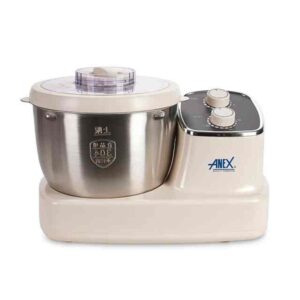
Dough Maker Price in Pakistan
A dough maker can reduce the time and physical effort required to prepare atta for roti, chapati, paratha, naan, bread, pizza, and other recipes. At Sadaat Electronics, customers can compare electric dough makers for household kitchens, home-based food businesses, bakeries, restaurants, and other commercial settings.
The dough maker price in Pakistan varies according to the brand, motor power, bowl capacity, construction, safety features, controls, and intended workload. Buyers should review the current product listings and specifications before selecting a machine. Stock availability, warranty terms, and prices may also change over time.
Make Atta Preparation Easier with an Electric Dough Maker
Save Time on Daily Roti and Paratha Preparation
Preparing atta by hand can take time, especially in homes where roti or paratha is cooked several times a day. An electric dough maker mixes flour and water through a rotating kneading attachment. This helps users prepare a batch while managing other kitchen tasks.
The final dough texture still depends on the flour type, water quantity, mixing time, and recipe. Users should add ingredients according to the product manual and adjust the water gradually where the manufacturer allows it.
Reduce Manual Kneading Effort
An atta kneading machine can be useful for large families, older users, home cooks, and people who prepare frequent batches. It reduces the repeated hand movement required for mixing and kneading firm atta.
A machine should not be overloaded to save time. Buyers should follow the stated flour or dough capacity because excessive loading may strain the motor and reduce mixing quality.
Prepare Different Types of Dough
Depending on the selected model, a dough mixing machine may be used for roti, chapati, paratha, naan, pizza, bread, buns, and bakery dough. Some models focus only on kneading, while others may include timers, speed controls, or proofing functions.
Customers should check each product page because supported recipes and features differ between machines. A home dough kneader may suit everyday atta preparation, while a commercial dough kneader may be more appropriate for repeated or larger batches.
What Affects Dough Maker Prices in Pakistan?
Machine Capacity
Capacity is one of the main factors that affects price. Compact machines are usually intended for household batches, while larger machines are designed for food businesses and commercial kitchens. Buyers should confirm whether the listed capacity refers to flour weight, finished dough weight, or total bowl capacity.
Motor Power and Workload
A heavy-duty dough maker may require a stronger motor to handle dense mixtures and repeated batches. However, wattage alone does not confirm performance. Buyers should also check the recommended batch size, operating time, rest period, and intended use.
Materials and Features
Price may also change according to the bowl material, body construction, timer, speed settings, dough hook design, safety lock, overload protection, and removable parts. Models with more controls or commercial-grade construction may cost more than basic home machines.
You can also explore other kitchen appliances in Pakistan to compare products that support daily food preparation.
Types of Dough Makers for Home and Commercial Use
Home Dough Kneader
A home dough kneader is suitable for families that prepare roti, chapati, paratha, or naan regularly. These machines usually have a compact design, simple controls, and a capacity intended for household batches. They can help reduce manual effort without taking up as much space as larger commercial equipment.
Before buying a home dough kneader, check how much flour your family normally uses in one batch. Also review the appliance dimensions, bowl design, cleaning method, and recommended operating time. A smaller machine may suit a couple or small family, while a larger household may need greater batch capacity.
Automatic Dough Maker
An automatic dough maker may include a timer, preset operation, controlled mixing time, or a proofing function. The word “automatic” does not mean the same thing for every model. Some machines automate only the kneading cycle, while others may support resting or warming functions.
Customers should read the listed features carefully instead of choosing a machine based only on its name. Check whether the model requires manual water adjustment, whether the bowl is removable, and whether the machine stops automatically after the selected time.
Commercial Dough Kneader
A commercial dough kneader is designed for businesses that prepare larger or more frequent batches. It may be suitable for bakeries, cafés, restaurants, tandoors, caterers, canteens, and home-based food businesses. These machines often focus on higher capacity, stronger construction, and repeated use.
Commercial buyers should check the rated dough capacity, operating cycle, motor protection, bowl material, machine weight, and power requirements. A heavy-duty dough maker may need more floor or counter space than a household model. Buyers can explore relevant commercial products when planning equipment for a food business.
Stand Mixer with Dough Hook
A stand mixer with a dough hook can knead dough while also handling other tasks such as whisking, beating, and mixing. It may suit users who need one appliance for several kitchen functions. However, its dough capacity may be lower than that of a dedicated atta kneading machine.
Check the manufacturer’s recommended flour quantity before using a stand mixer for firm atta. Dense dough can place more strain on the motor than cake batter or cream. A dedicated flour kneader machine may be a better choice for frequent or larger batches.
How to Choose the Right Dough Kneader Machine
Match the Capacity to Your Daily Requirement
Start by estimating how much flour you use in one batch. A small household that prepares a limited number of rotis may not need a large machine. A joint family, home-based food seller, or restaurant may need more capacity to avoid preparing several small batches.
Do not assume that bowl capacity and dough capacity are the same. A product described as a 5 KG dough maker machine may refer to flour weight, finished dough weight, or maximum mixture load. Confirm this detail before ordering and leave enough space in the bowl for the dough to move properly.
Check Motor Power and Operating Limits
Motor power matters because atta and bread dough can be dense. However, a higher wattage figure does not always mean that a machine can handle unlimited dough. The bowl size, gear system, duty cycle, and manufacturer’s recommended load are also important.
For regular household use, check whether the machine can complete your normal batch without overheating. Commercial users should ask how long the machine can operate, whether it needs rest between batches, and whether overload protection is included.
Review the Bowl and Kneading Attachment
A good bowl should provide enough space for ingredients to combine without spilling. Buyers should check the bowl material, depth, fitting system, and whether it can be removed for washing. Stainless-steel bowls are common, but the exact material should always be confirmed from the product specifications.
The dough hook or kneading blade should fit securely and be suitable for the stated workload. Removable attachments can make cleaning easier, while fixed systems may require careful wiping inside the bowl.
Look for Practical Safety Features
Useful safety features may include a locking lid, interlock switch, stable base, non-slip feet, overload protection, and automatic shut-off. Larger commercial models may also include a safety guard or emergency stop control.
Safety features differ between models, so buyers should not assume that every electric dough maker includes the same protection. Review the manual and product listing before use, and keep hands and utensils away from moving parts.
Check Space and Electrical Requirements
Measure the available counter or floor space before buying. Leave room for ventilation, bowl access, lid movement, and cleaning. A heavy commercial machine may also require a stable surface and a suitable installation area.
Check the rated voltage, frequency, plug type, and power load. Avoid using an unsuitable extension board for a high-power appliance. Customers can browse related cooking appliances when organising equipment for a home or commercial kitchen.
5 KG Dough Maker Machine for Larger Batches
What Does 5 KG Capacity Mean?
A 5 KG dough maker machine may suit buyers who need to prepare larger batches, but the capacity label needs careful checking. Some manufacturers use it for flour capacity, while others use it for finished dough weight or the maximum mixture load. These measurements are not equal because water and other ingredients increase the final dough weight.
Read the product specifications or confirm the capacity with the seller before buying. The bowl should also have enough free space for ingredients to move during kneading. Filling it to the top can cause uneven mixing, spillage, and extra motor strain.
Who May Need a 5 KG Dough Maker?
A larger atta maker machine may be useful for joint families, home-based food sellers, small bakeries, restaurants, tandoors, caterers, and canteens. It can reduce the need to prepare several small batches during busy hours. The right choice still depends on how often the machine will run and how much dough is required at one time.
A large capacity label does not automatically make a machine suitable for commercial use. Buyers should also check the motor rating, body construction, operating cycle, cooling time, safety features, and warranty conditions. A household model may not be designed for repeated back-to-back batches.
Checks Before Buying a Heavy-Duty Dough Maker
Measure the available space before choosing a heavy-duty dough maker. Larger models may need a strong counter, a dedicated stand, or floor placement. Leave enough room to open the lid, add ingredients, remove the bowl where applicable, and clean around the machine.
Commercial buyers should also confirm the electrical load, plug requirements, machine weight, spare-part availability, and service options. Ask whether the stated capacity is recommended for every batch or only the maximum limit. Regular operation below the maximum load may help the machine work more smoothly.
Dough Maker vs Stand Mixer with Dough Hook
Choose a Dough Maker for Regular Kneading
A dedicated dough maker is built mainly to mix and knead flour-based dough. It may be the better option for households or businesses that prepare atta, naan, bread, or pizza dough frequently. Its bowl and kneading system are usually focused on this specific task.
Dedicated machines may also offer larger dough capacity than multi-purpose mixers in a similar price range. However, features vary between models. Buyers should compare the actual flour limit, finished dough capacity, motor rating, and intended workload.
Choose a Stand Mixer for Multiple Kitchen Tasks
A stand mixer may include attachments for whisking, beating, mixing, and kneading. It can suit users who make cakes, cream, batter, and dough but do not need large atta batches every day. The dough hook is one attachment within a broader mixing system.
Firm roti dough can put more load on a stand mixer than soft batter. Always follow the recommended dough quantity and speed setting. A stand mixer should not be treated as a commercial dough kneader unless the manufacturer clearly supports that use.
Compare the Main Differences
| Feature | Dedicated Dough Maker | Stand Mixer with Dough Hook |
|---|---|---|
| Main purpose | Kneading flour-based dough | Mixing, whisking, beating, and kneading |
| Best for | Frequent atta or bread preparation | Users who need several kitchen functions |
| Dough capacity | May support larger batches | Often limited by the mixer and motor rating |
| Attachments | Usually focused on kneading | May include whisk, beater, and dough hook |
| Commercial use | Available in home and commercial models | Only suitable where the manufacturer permits it |
| Buying priority | Capacity, workload, and kneading performance | Versatility, attachments, and supported dough load |
How to Use an Atta Kneading Machine
Follow a Basic Dough Preparation Process
Place the machine on a dry and stable surface. Fit the bowl, blade, or dough hook correctly before adding ingredients. Check that the safety lid or guard is locked where the machine includes one.
Add flour, salt, oil, water, and other ingredients in the order stated in the manual. Some models require dry ingredients first, while others may allow water to be added during operation. Start with the recommended setting and avoid placing hands or utensils inside a moving bowl.
Add Water Carefully
Different types of atta absorb different amounts of water. Whole wheat flour, refined flour, multigrain flour, and stored flour may produce different results even when the same quantity is used. Add water gradually where the machine instructions allow it.
Dough that looks dry may need a small amount of additional water. Sticky dough may require more flour or extra kneading time, depending on the recipe. Make small adjustments instead of adding a large quantity at once.
Avoid Common Dough-Making Problems
Uneven dough may result from an overloaded bowl, incorrect ingredient order, insufficient water, or the wrong attachment. Flour collecting around the bowl edges may need to be moved only after the machine has been switched off and unplugged.
Stop the machine if it moves excessively, produces an unusual sound, smells hot, or struggles to turn. Check the batch size and attachment fitting before restarting it. Continued operation under strain may damage the motor or internal drive system.
Allow the Dough to Rest Where Required
Many roti, naan, pizza, and bread recipes improve after a resting period. A standard dough maker may complete the kneading process but may not provide proofing or warming. Remove or cover the dough according to the recipe after kneading is complete.
Some automatic dough maker models include a proofing or warming function. Use this feature only according to the stated temperature and timing instructions. Do not assume that every automatic model can knead and proof dough in the same cycle.
How to Clean and Maintain a Dough Maker
Clean the Machine After Every Use
Switch off the dough maker and unplug it before cleaning. Remove the bowl, dough hook, blade, lid, and other detachable parts only where the product design allows it. Clear dry flour and dough residue before washing or wiping the machine.
Wash removable food-contact parts with warm water and a mild detergent if the manual permits it. Do not immerse the motor body, electrical base, cable, or plug in water. Dry every part fully before reassembly because moisture can affect hygiene and electrical safety.
Clean Fixed-Bowl Models Carefully
Some flour kneader machines use a fixed bowl or fixed kneading head. In this case, wipe the inside with a damp cloth after unplugging the machine. Remove dough from corners, around the attachment, and near the upper edge of the bowl.
Do not pour water directly into a fixed machine unless the manufacturer specifically allows that cleaning method. Keep liquid away from switches, ventilation openings, and motor components. Use only approved cleaning tools that will not scratch the bowl or damage the coating.
Protect the Motor and Moving Parts
Avoid overloading the bowl or running the machine longer than the stated operating cycle. Dense dough places pressure on the motor, gears, belt, and attachment system. Stop the machine if it overheats, slows down, or produces an unusual noise.
Keep ventilation openings free from flour and dust. Inspect the power cable, plug, lid lock, and attachment fitting regularly. Arrange professional service if the machine develops a burning smell, loose movement, damaged wiring, or repeated overload problems.
Buy a Dough Maker from Sadaat Electronics
Compare Machines for Home and Commercial Use
Sadaat Electronics offers appliance options for Pakistani homes and food businesses. Customers can compare home dough kneaders, electric dough makers, atta maker machines, and commercial dough kneaders according to capacity, motor rating, controls, and intended use.
Review the current listings to check available brands, specifications, and dough maker prices in Pakistan. Product availability and pricing can change, so confirm the latest information before placing an order.
Ask About Specifications Before Ordering
Before buying, confirm whether the stated capacity refers to flour or finished dough. Also ask about bowl material, motor power, operating time, warranty coverage, included attachments, spare parts, and delivery options.
Commercial buyers should explain their expected batch size and daily workload. This helps identify whether a home model, heavy-duty dough maker, or commercial dough kneader is more suitable.
Visit Sadaat Electronics in Saddar, Karachi
Customers who prefer to discuss their requirements in person can visit Sadaat Electronics at Mariam Center, Shop 5, Abdullah Haroon Road, Saddar, Karachi. The store serves buyers looking for home appliances, kitchen appliances, and commercial products in Pakistan.
For current stock, price, warranty, and product details, contact Sadaat Electronics at +92 330 9997564. Confirm the exact model specifications before purchase because features can differ between brands and product versions.
Frequently Asked Questions About Dough Makers
What is the dough maker price in Pakistan?
The dough maker price in Pakistan depends on the brand, motor power, bowl size, dough capacity, body material, controls, and intended workload. Home models and commercial machines are usually priced differently. Check the current product listings or contact Sadaat Electronics for the latest available price.
Which dough maker is best for home use?
The best home dough kneader is one that matches your normal flour quantity, available kitchen space, cleaning needs, and frequency of use. A compact model may suit a small family, while a larger family may need more batch capacity. Always confirm whether the capacity refers to flour or finished dough.
Can a dough maker prepare atta for roti and chapati?
Many dough makers can prepare atta for roti and chapati, but the result depends on the model, flour type, water quantity, and mixing time. Follow the manufacturer’s instructions and adjust water gradually where permitted.
What is an atta gundne wali machine?
An atta gundne wali machine is an electric appliance that mixes and kneads flour with water and other ingredients. It is also called an atta maker machine, dough kneader machine, flour kneader machine, or roti dough maker.
Is an automatic dough maker better than hand kneading?
An automatic dough maker can save time and reduce physical effort. It may also help users repeat the same process more consistently. Hand kneading still gives direct control over texture, so the better choice depends on the user’s routine, batch size, and preference.
Can I use a stand mixer instead of a dough kneader?
A stand mixer with a dough hook can prepare dough if the manufacturer supports the required flour quantity and dough type. It may suit users who also need whisking, beating, and mixing functions. A dedicated dough maker may be better for larger or more frequent dough batches.
What does a 5 KG dough maker machine mean?
The 5 KG label may refer to flour capacity, finished dough weight, or maximum mixture load. These measurements are different. Confirm the exact meaning from the product specifications or seller before buying.
Can a home dough kneader be used commercially?
A home dough kneader should not be used for repeated commercial batches unless the manufacturer allows it. Commercial use may require a stronger motor, longer duty cycle, larger capacity, better cooling, and different warranty coverage.
How long does an electric dough maker take?
Kneading time varies by machine, batch size, flour type, water ratio, and recipe. Some machines include adjustable timers, while others use fixed or manual controls. Follow the recommended time in the product manual.
How should I clean a dough mixing machine?
Unplug the machine first. Remove and wash approved detachable parts, wipe the motor body with a damp cloth, and dry all components fully. Do not immerse electrical parts or pour water into a fixed-bowl model unless the manual permits it.